
7 Essential Ideas for a Yacht Design Inspiration List
Most traditional yachts no longer satisfy the ambitions of leading American and European owners who expect boldness, elegance, and advanced technology in every detail. Yacht builders now use parametric modeling, adaptive smart tech, and even fold-down transoms to blur the line between innovation and luxury. With over 80 percent of new luxury yacht buyers demanding customizable features, forward-thinking design is now essential for those who want a vessel as exceptional as their lifestyle.
Table of Contents
Quick Summary
Takeaway | Explanation |
1. Focus on Modern Exterior Trends | Evaluate yacht designs for clean lines and aerodynamic forms that enhance performance and visual appeal. |
2. Consider Fold-Down Transoms | These features expand usable space and improve yacht maneuverability while maintaining sleek aesthetics. |
3. Maximize Space with Multi-Functional Interiors | Choose designs that allow seamless transitions between various space functionalities to increase yacht livability. |
4. Leverage Smart Technology | Implement intelligent systems that enhance operational efficiency and personalize user experience on yachts. |
5. Prioritize Sustainable Solutions | Select yachts designed with eco-friendly materials and energy-efficient systems to minimize environmental impact. |
1. Embrace Modern Exterior Styling Trends
Modern yacht exterior design has evolved far beyond traditional silhouettes, transforming vessels into dynamic expressions of technological innovation and aesthetic sophistication. With contemporary naval architecture pushing boundaries, yacht designers are reimagining exterior styling as a critical intersection between performance and visual appeal.
The emergence of parametric design principles is revolutionizing yacht exteriors, allowing for more fluid and aerodynamic forms that optimize both aesthetic elegance and hydrodynamic efficiency. Parametric modeling techniques enable designers to create complex geometric shapes that dramatically reduce wind resistance while maintaining stunning visual aesthetics.
Advanced exterior styling now incorporates computational fluid dynamics to analyze how hull shapes interact with wind and water. By studying wind resistance modeling, designers can create yacht exteriors that are not just visually striking but scientifically optimized for superior performance. This approach allows naval architects to develop sleeker profiles that slice through water with minimal drag while presenting a bold, contemporary visual statement.
Modern yacht exterior trends emphasize clean lines, minimalist geometries, and integrated design elements that blur traditional boundaries between structural components. Think smooth transitions between deck levels, seamless window installations, and color palettes that reflect both maritime heritage and cutting-edge design philosophies.
Pro Tip: When evaluating yacht exterior designs, look beyond surface aesthetics and assess how geometric forms contribute to overall vessel performance and efficiency.
2. Incorporate Innovative Fold-Down Transoms
Fold-down transoms represent a breakthrough in yacht design, offering unprecedented flexibility and functionality for modern maritime enthusiasts. This innovative feature transforms traditional stern configurations by introducing adaptable engineering that enhances both performance and usable deck space.
The core advantage of fold-down transoms lies in their ability to dramatically increase a yacht’s functional area while maintaining sleek exterior aesthetics. Hydrodynamic performance analyses demonstrate that these sophisticated design elements can optimize vessel efficiency by creating seamless transitions between water and deck surfaces.
Key Benefits of Fold-Down Transoms:
Expanded boarding and swimming platforms
Enhanced water access
Improved vessel maneuverability
Reduced drag during high-speed navigation
Increased overall yacht versatility
The engineering behind fold-down transoms involves precision hydraulic systems and lightweight materials that allow instantaneous transformation of the vessel’s rear profile. Naval architects carefully calculate weight distribution and structural integrity to ensure these mechanisms operate smoothly without compromising the yacht’s fundamental performance characteristics.
Modern yacht owners increasingly view fold-down transoms as more than aesthetic innovations. They represent a sophisticated solution for maximizing maritime experiences, allowing seamless transitions between sunbathing, water sports, and traditional sailing configurations.
Pro Tip: When specifying a fold-down transom design, prioritize marine-grade materials and robust hydraulic mechanisms that can withstand constant saltwater exposure and frequent operational cycles.
3. Maximize Space With Multi-Functional Interiors
Multi-functional interior design represents the cutting edge of yacht spatial engineering, transforming limited square footage into dynamic living environments that adapt to changing needs and preferences. Modern yacht owners demand intelligent spaces that seamlessly transition between work, relaxation, entertainment, and personal comfort.
Interior design strategies have evolved to address the complex spatial challenges inherent in maritime environments, focusing on ergonomic flexibility and sophisticated design solutions that maximize every available inch of interior volume.
Key Multi-Functional Design Principles:
Convertible furniture with integrated storage
Modular room configurations
Sliding and folding partition systems
Hidden technological infrastructure
Seamless visual and functional transitions
Advanced yacht interior design now employs innovative techniques like built-in furnishings that serve multiple purposes. A dining table might transform into a workspace, while seating areas can quickly convert to sleeping quarters. These intelligent design approaches ensure that each square foot serves multiple functions without compromising aesthetic elegance or comfort.
Technology plays a crucial role in creating these adaptive spaces. Integrated smart home systems allow owners to reconfigure room layouts with simple touch controls, enabling rapid transformations that respond to immediate requirements. Lightweight, high-strength materials like carbon fiber and advanced composites make these complex design solutions structurally feasible.
Pro Tip: When planning a multi-functional yacht interior, prioritize designs that offer at least three distinct usage scenarios for each primary space to maximize versatility and efficiency.
4. Integrate Cutting-Edge Smart Technology
Smart technology has transformed yacht design from passive vessels into intelligent, responsive environments that anticipate and adapt to owner preferences. Modern yacht technology goes far beyond simple navigation systems, creating immersive experiences that blend computational intelligence with maritime engineering.
The emergence of transformative marine technologies represents a quantum leap in vessel capabilities, enabling yacht owners to interact with their vessels in unprecedented ways. Intelligent systems now provide comprehensive control and monitoring across multiple vessel functions, from environmental management to security and entertainment.
Core Smart Technology Features:
Automated climate control systems
Integrated security and surveillance networks
Real time performance and maintenance monitoring
Adaptive energy management platforms
Voice and gesture controlled interfaces
Advanced predictive maintenance algorithms
Cutting edge yacht technologies leverage artificial intelligence and machine learning to create personalized experiences. Imagine a vessel that adjusts interior lighting based on time of day, automatically optimizes energy consumption, and provides predictive maintenance alerts before potential system failures occur.
These technological integrations extend beyond convenience, offering enhanced safety and operational efficiency. Sensor networks can monitor structural integrity, track weather conditions, and provide instantaneous situational awareness that dramatically improves maritime decision making.
Pro Tip: When implementing smart yacht technologies, prioritize systems with open architecture design that allow future upgrades and seamless integration of emerging technologies.
5. Focus on Sustainable and Eco-Friendly Solutions
Sustainable yacht design has transcended from a niche concept to a critical imperative in modern maritime engineering. Environmental consciousness is now fundamental to yacht development, driving innovations that minimize ecological impact while maintaining exceptional performance and luxury.
Intelligent energy optimization techniques are revolutionizing vessel design, enabling naval architects to create yacht hulls that dramatically reduce carbon footprints without sacrificing performance. Sustainable marine engineering integrates advanced materials, renewable energy systems, and sophisticated efficiency algorithms to transform traditional maritime technologies.
Key Sustainable Design Strategies:
Hybrid electric propulsion systems
Lightweight composite materials
Solar and wind energy integration
Advanced waste management technologies
Recyclable and biodegradable interior components
Reduced drag hull configurations
Eco friendly yacht design now considers the entire lifecycle of the vessel from initial construction through operational years. This holistic approach involves selecting materials with minimal environmental impact, implementing energy recovery systems, and designing for maximum operational efficiency.
Technological advancements have made sustainable solutions increasingly attractive. Modern yacht owners can now select vessels that generate minimal emissions, utilize renewable energy sources, and incorporate advanced waste treatment systems that minimize marine environmental disruption.
Pro Tip: When evaluating sustainable yacht designs, prioritize manufacturers who provide comprehensive lifecycle environmental impact assessments and demonstrate transparent commitment to reducing maritime carbon emissions.
6. Personalize With Bespoke Materials and Finishes
Bespoke materials and finishes represent the pinnacle of yacht design personalization, transforming vessels from standard platforms into unique reflections of individual style and personality. These custom solutions go far beyond traditional design approaches, offering yacht owners unprecedented opportunities for creative expression.
Yacht design research emphasizes the critical role of personalization in creating truly exceptional maritime experiences. Custom material selection has become a sophisticated art form that combines technological innovation with individual aesthetic preferences.
Bespoke Material Design Strategies:
Exotic wood inlays from rare global sources
Advanced composite materials with unique textures
Hand crafted artisan metal work
Custom fabric and textile design
Innovative surface treatments
Personalized color palette development
Modern yacht designers leverage cutting edge technologies like 3D scanning and digital rendering to help clients visualize custom material applications before fabrication. This approach allows for unprecedented levels of personalization, enabling owners to integrate deeply meaningful design elements that tell their unique stories.
The selection of bespoke materials extends beyond visual appeal to include performance characteristics. Specialized composites can provide enhanced durability, reduced weight, and improved thermal properties while maintaining aesthetic elegance. Each material becomes a carefully considered choice that balances form, function, and personal expression.
Pro Tip: When exploring bespoke materials, request material samples and full scale mockups to understand how textures, colors, and finishes interact with natural light and maritime environments.
7. Enhance Luxury With Unique Outdoor Living Spaces
Outdoor living spaces have transformed from simple deck areas to sophisticated, multifunctional environments that blur the boundaries between interior luxury and maritime adventure. Modern yacht design now treats exterior spaces as critical extensions of the vessel’s overall living experience.
Contemporary yacht design strategies have revolutionized outdoor spaces through innovative architectural approaches that create seamless indoor outdoor transitions. Adaptive design technologies enable yacht owners to experience unprecedented flexibility in how they interact with marine environments.
Unique Outdoor Space Innovations:
Hydraulically expandable deck areas
Retractable glass enclosures
Modular furniture systems
Climate controlled exterior zones
Integrated entertainment platforms
Panoramic viewing areas
Multi level exterior lounging configurations
These advanced design concepts move beyond traditional static deck spaces. Imagine exterior areas that can transform from open air sundecks to protected lounges with the touch of a button, utilizing sophisticated mechanical systems that respond to weather conditions and owner preferences.
Engineering excellence allows for dramatic spatial transformations. Fold out balconies can extend living spaces dramatically, creating immersive experiences that connect passengers directly with marine environments. Advanced materials and design techniques ensure these dynamic spaces remain structurally robust and aesthetically elegant.
Pro Tip: When designing exterior yacht spaces, prioritize flexible configurations that can quickly adapt to changing environmental conditions and passenger preferences.
Below is a comprehensive table summarizing the key concepts and trends in modern yacht design discussed throughout the article.
Topic | Description | Key Considerations |
Modern Exterior Styling | Utilizes parametric design and computational fluid dynamics for aesthetic elegance and performance optimization. | Focus on hydrodynamic efficiency and sleek, aerodynamic forms. |
Fold-Down Transoms | Introduces adaptable engineering for increased deck space and improved functionality. | Prioritize marine-grade materials and robust hydraulics. |
Multi-Functional Interiors | Designs transform limited space into versatile living areas. | Ensure designs offer multiple usage scenarios per space. |
Smart Technology Integration | Converts yachts into intelligent environments with automated systems. | Look for open architecture systems for future upgrades. |
Sustainable Solutions | Emphasizes eco-friendly materials and energy optimization. | Select manufacturers with transparent environmental practices. |
Bespoke Materials & Finishes | Offers personalization through unique materials and individual style. | Request material samples to assess interaction with natural light. |
Unique Outdoor Living Spaces | Creates functional exterior areas that adapt to environmental conditions. | Ensure configurations respond to weather and passenger preferences. |
Elevate Your Yacht Vision With Innovative Design Solutions
Creating a yacht that balances cutting-edge technology, breathtaking aesthetics, and sustainable performance is a demanding challenge. The article “7 Essential Ideas for a Yacht Design Inspiration List” highlights key aspects such as fold-down transoms, multi-functional interiors, and smart technology integration as vital for modern luxury vessels. These elements address the common owner goals of maximizing space, enhancing comfort, and embracing eco-friendly innovation while maintaining sleek, aerodynamic exterior styling.
At Opalinski Design House, we specialize in transforming such visionary concepts into tangible masterpieces. With patented features like our fold-down bulkhead transom and rotational transom designs for large vessels, we push the boundaries of yacht architecture. Our bespoke approach ensures your yacht’s interior and exterior designs fully embody your unique style and functional needs, all while integrating sustainable materials and state-of-the-art smart systems.
Experience the next level of yacht innovation that perfectly aligns with the inspirational ideas you just explored.
Unlock the full potential of your dream yacht today.
Explore our portfolio and imagine how we can turn visionary styling into your reality.
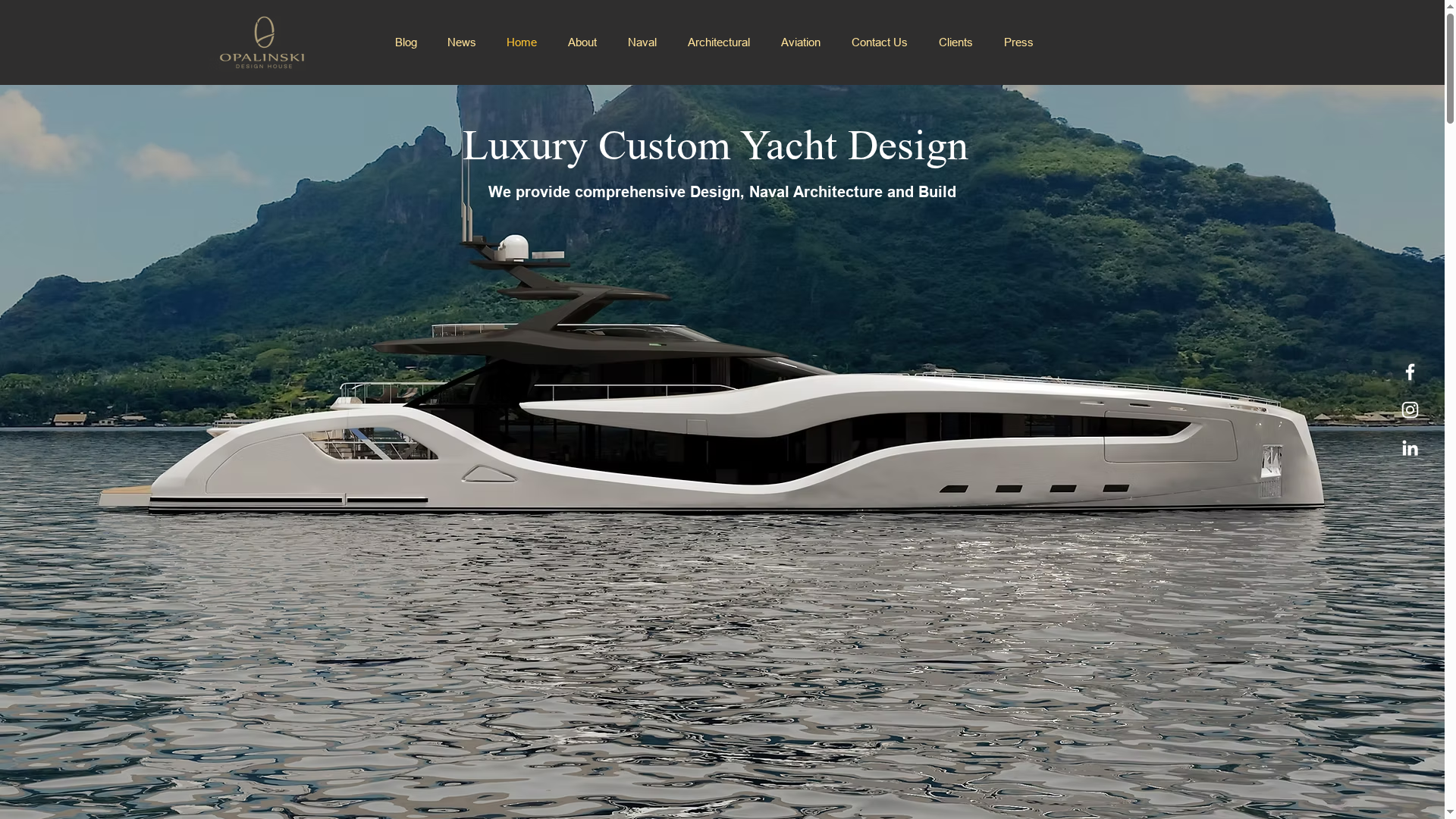
Ready to innovate your yacht experience with bespoke elegance and performance? Contact Opalinski Design House now to get a personalized quote and start your journey towards owning a technologically advanced, eco-friendly, and exquisitely designed vessel.
Frequently Asked Questions
What are the latest trends in modern yacht exterior design?
Modern yacht exterior design emphasizes clean lines, aerodynamic forms, and parametric design principles that enhance both aesthetics and performance. To stay updated, research recent yacht shows or design publications that feature cutting-edge exterior trends.
How can fold-down transoms improve my yacht’s functionality?
Fold-down transoms significantly expand usable deck space, enhance water access, and improve maneuverability. Consider integrating a fold-down transom in your design to maximize maritime experiences, allowing for activities like swimming and sunbathing.
What are some effective strategies for creating multi-functional yacht interiors?
Effective strategies include using convertible furniture, modular configurations, and hidden technology to optimize space. Focus on designing areas with at least three distinct uses, like a dining space that can also serve as a workspace.
How can I incorporate smart technology into my yacht design?
Incorporate smart technology by integrating automated climate control, security systems, and performance monitoring tools into your vessel. Start by planning for these technologies during the initial design phase to ensure seamless integration.
What eco-friendly solutions should I consider for my yacht development?
Consider hybrid propulsion systems, lightweight materials, and renewable energy sources to create a more sustainable yacht. Aim to choose at least two eco-friendly features in your design to significantly reduce environmental impact.
How can I personalize my yacht with bespoke materials?
Personalize your yacht by selecting custom materials such as unique wood inlays, advanced composites, and personalized color palettes. Work with your designer to source and visualize your choices for a truly one-of-a-kind vessel.
Recommended
Comments