
Step-by-Step Guide to Sustainable Yacht Design Success
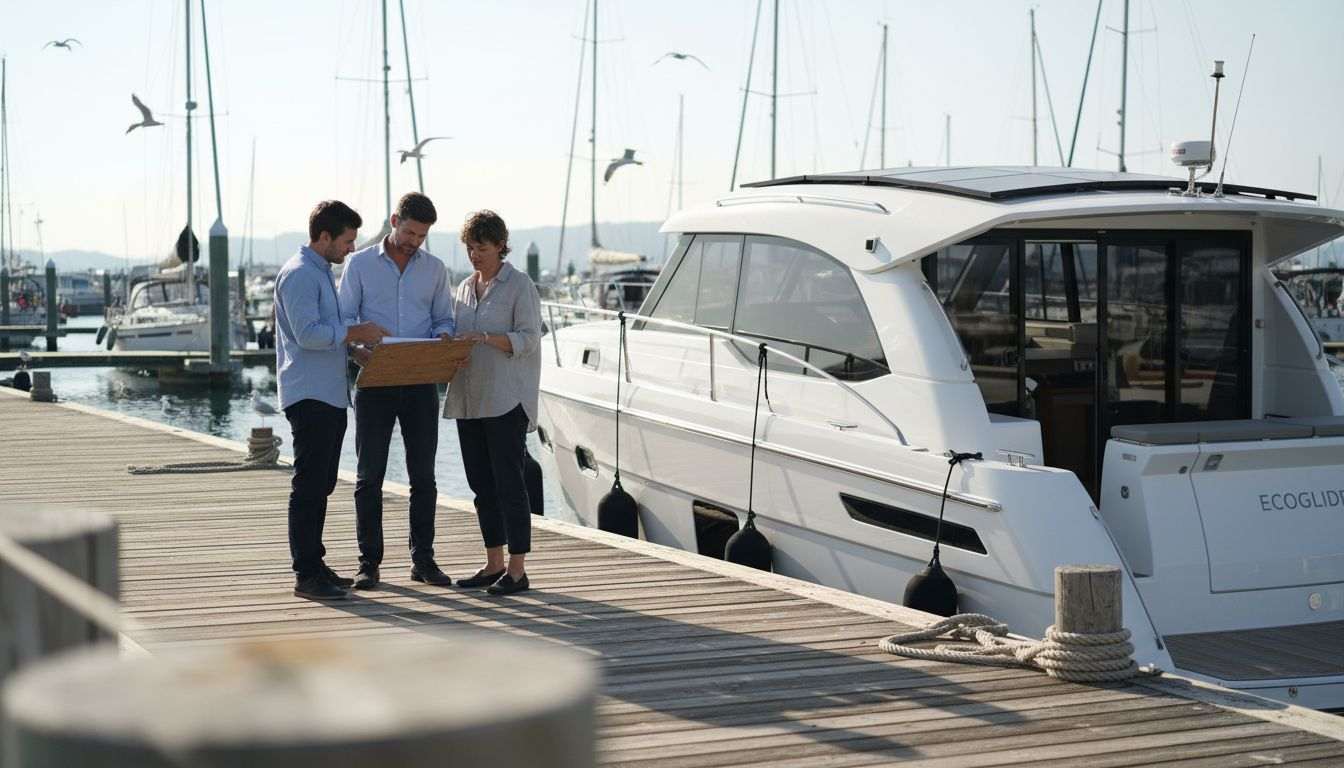
More than 80 percent of new American and European superyacht projects now prioritize sustainable technologies from the earliest design stages. For high-net-worth yacht owners and builders, sustainability is not just a trend but a core expectation shaping every decision. Whether you are planning a custom vessel or refining a fleet, this guide reveals how thoughtful environmental strategies and bespoke innovations can set your yacht apart while protecting the oceans for future generations.
Table of Contents
Quick Summary
Key Point | Explanation |
1. Assess Owner Sustainability Goals | Collaborate with yacht owners to define their unique environmental priorities and operational requirements for a tailored sustainability strategy. |
2. Integrate Eco-Friendly Materials | Select sustainable materials that enhance performance while ensuring minimal environmental impact through deep material assessments and innovative techniques. |
3. Optimize Hull and Propulsion Systems | Use advanced modeling and simulation tools to improve hull design, propulsion efficiency, and energy management for reduced carbon emissions. |
4. Incorporate Bespoke Features | Develop customized yacht features that reflect the owner’s vision while maintaining luxury and environmental responsibility through collaborative design processes. |
5. Verify Performance and Compliance | Implement rigorous verification procedures to ensure designs meet performance standards and sustainability regulations, documenting every aspect transparently. |
Step 1: Assess sustainability goals and owner requirements
Designing a sustainable yacht starts with understanding exactly what environmental responsibility means for your specific vessel. When working with high-net-worth yacht owners, sustainability is no longer a simple checkbox but a comprehensive design philosophy that integrates seamlessly with luxury expectations. Sustainability considerations are currently being integrated at the earliest stages of yacht design, often driven by owner consciousness about environmental impact.
To effectively assess sustainability goals, you’ll want to conduct a collaborative discovery process with the yacht owner. This involves deep discussions about their specific environmental priorities, operational requirements, and long-term vision. Eco-design methodologies now emphasize aligning design decisions with environmental targets and client needs, which means creating a customized sustainability strategy that goes well beyond standard green technology.
The assessment typically covers multiple dimensions including material sourcing, supply chain transparency, operational efficiency, and potential carbon footprint reduction. Designers must balance technical feasibility with the owner’s aesthetic and performance expectations, transforming sustainability from a technical constraint into an innovative design opportunity.
Here’s a summary of key sustainability considerations during yacht design:
Dimension | Description | Importance for Owners |
Material Sourcing | Using renewables and ethical suppliers | Reduces ecological footprint |
Supply Chain Transparency | Tracking materials from source to build | Ensures responsible sourcing |
Operational Efficiency | Minimizing energy and resource use | Lowers operating costs |
Carbon Footprint | Reducing emissions over yacht’s lifetime | Demonstrates environmental care |

Pro tip: Create a comprehensive sustainability scorecard during initial consultations to quantify and track environmental goals throughout the yacht design process.
Step 2: Integrate eco-friendly materials and technologies
Transforming yacht design requires a strategic approach to selecting sustainable materials that deliver exceptional performance without compromising environmental responsibility. Comprehensive sustainable boat design now explores innovative solutions like natural fiber reinforced polymers, recycled composites, and advanced bio-based resins, enabling designers to reimagine traditional manufacturing processes.
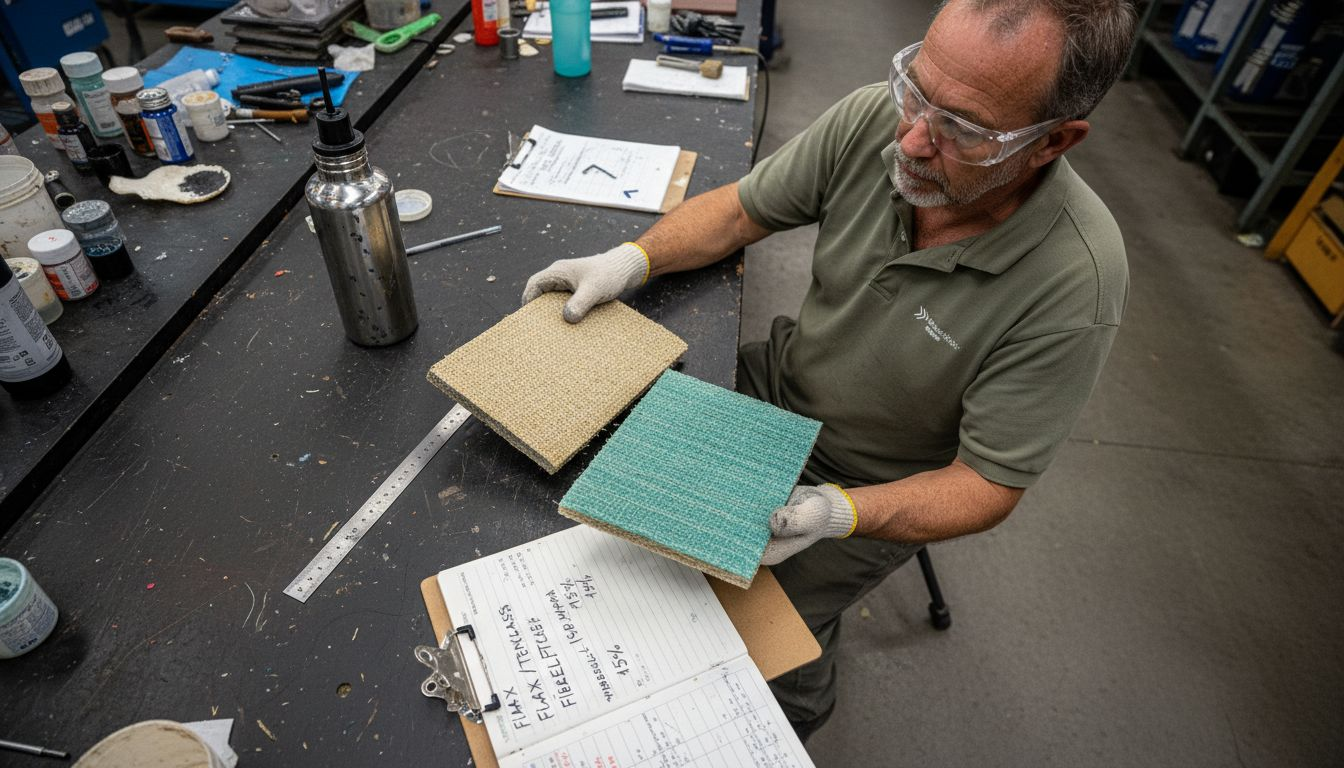
The integration process begins with a detailed material assessment that considers multiple critical factors. You will evaluate each potential material through a comprehensive lens examining environmental impact, durability, weight performance, manufacturing complexity, and lifecycle sustainability. This means moving beyond simple green certifications and conducting deep research into material sourcing, production methods, potential recycling capabilities, and long-term operational efficiency.
Successful eco-friendly material integration requires collaboration between naval architects, materials engineers, and sustainability experts. Techniques like advanced 3D printing, lightweight composite development, and modular design strategies can help create vessels that minimize carbon footprint while maintaining the luxurious standards high-end yacht owners expect. The goal is not just reducing environmental impact but demonstrating that sustainability and performance can be perfectly harmonized.
Below is a comparison of eco-friendly yacht materials and their advantages:
Material Type | Performance Benefit | Environmental Advantage |
Natural Fiber Polymers | Lightweight, strong | Lower embodied energy |
Recycled Composites | High durability | Diverts waste from landfills |
Advanced Bio-based Resins | Resistant to corrosion | Made from renewable resources |
Pro tip: Develop a comprehensive material traceability matrix that documents the environmental credentials and performance specifications of every sustainable material selected for your yacht design.
Step 3: Optimize hull, propulsion, and energy systems
Optimizing a yacht’s performance requires a holistic approach that integrates hull design, propulsion efficiency, and energy management into a unified system. Intelligent optimization techniques can significantly minimize resistance and improve overall energy consumption, transforming sustainable yacht design from a theoretical concept to a practical reality.
Advanced parametric modelling and simulation tools now enable designers to precisely analyze hull shape, structural stability, and performance characteristics. This process involves carefully evaluating multiple design variables including hydrodynamic resistance, weight distribution, material selection, and energy system integration. Naval architects must balance technical performance with environmental considerations, developing solutions that reduce carbon footprint without compromising the luxurious experience high-end yacht owners expect.
The optimization strategy encompasses comprehensive analysis of propulsion technologies, renewable energy integration, and intelligent system design. This means exploring hybrid electric propulsion systems, investigating lightweight composite materials, implementing advanced energy management software, and creating modular design approaches that allow for future technological upgrades. Successful implementation requires a multidisciplinary approach that brings together naval engineering, materials science, and sustainable design expertise.
Pro tip: Implement real-time performance monitoring systems that continuously track energy efficiency and provide actionable insights for ongoing design refinement and optimization.
Step 4: Incorporate innovative bespoke features
Creating a truly exceptional yacht requires moving beyond standard design approaches and developing features that reflect the owner’s unique vision and lifestyle. Technological advancements now enable sophisticated AI-driven systems and modular design elements that seamlessly blend luxury with personalization, transforming each vessel into a one-of-a-kind floating masterpiece.
The bespoke feature integration process demands deep collaboration between designers, engineers, and owners. This involves comprehensive consultations to understand precise functional requirements, aesthetic preferences, and lifestyle needs. Innovative solutions might include custom adaptive spaces that transform between entertainment zones and private retreats, intelligent climate control systems that adjust automatically to environmental conditions, or integrated technology platforms that provide unprecedented levels of onboard comfort and connectivity.
Successful bespoke feature development requires a multidisciplinary approach that balances cutting edge technology with timeless design principles. Designers must carefully select sustainable materials like recycled textiles and advanced composites, ensuring that each custom element not only meets the owner’s exact specifications but also contributes to the yacht’s overall environmental performance. The goal is creating spaces that feel simultaneously personal, luxurious, and conscientiously designed.
Pro tip: Develop a comprehensive digital mockup and virtual reality simulation of proposed bespoke features to allow owners to experience and refine design concepts before physical implementation.
Step 5: Verify design performance and environmental compliance
Ensuring your yacht design meets the highest standards of performance and sustainability requires a comprehensive verification process that goes far beyond traditional quality checks. The Designers’ Protocol establishes rigorous environmental and performance standards that demand meticulous assessment of life cycle impacts, energy efficiency, and operational emissions, transforming compliance from a bureaucratic requirement into a strategic design advantage.
Digital classification and certification tools now enable precise 3D design reviews that comprehensively evaluate environmental credentials and statutory requirements. This verification process involves multiple layers of scrutiny including computational simulations, material traceability assessments, energy consumption modeling, and comprehensive emissions tracking. Naval architects must collaborate closely with environmental experts, regulatory bodies, and classification societies to validate every aspect of the yacht’s design against increasingly stringent global sustainability standards.
Successful performance verification requires a holistic approach that integrates technical analysis with real-world operational insights. This means developing detailed performance models that simulate actual sailing conditions, conducting prototype testing, and creating transparent documentation that demonstrates how each design element contributes to overall environmental efficiency. The ultimate goal is producing a vessel that not only meets regulatory requirements but sets new benchmarks for sustainable luxury maritime engineering.
Pro tip: Implement a continuous monitoring and verification framework that allows for ongoing design refinement and performance optimization throughout the yacht’s entire lifecycle.
Elevate Your Vision with Cutting-Edge Sustainable Yacht Design
The journey to creating a truly sustainable and luxurious yacht begins with a clear understanding of your unique environmental goals and challenges. Whether it is optimizing hull performance, integrating eco-friendly materials, or incorporating bespoke technological innovations, the steps outlined in the guide emphasize the fine balance between sustainability and high-end craftsmanship. If you are ready to transform these principles into a living masterpiece, explore how our expertise at Opalinski Design House delivers innovative naval architecture and patented technologies tailored to your vision.
Take the next step in your sustainable yacht project with a design studio that pioneers industry-changing innovations like fold-down transoms and sophisticated rotational transom solutions. Visit our landing page to discover how we combine environmental responsibility with bespoke luxury. Connect with us now to begin crafting a yacht that not only meets but exceeds the highest standards of sustainable design and personalized sophistication.
Frequently Asked Questions
How can I assess sustainability goals for my yacht design?
Start by conducting collaborative discussions with the yacht owner to understand their specific environmental priorities and operational requirements. Create a comprehensive sustainability scorecard to track these goals over time.
What eco-friendly materials should I consider for my sustainable yacht?
Focus on materials such as natural fiber reinforced polymers, recycled composites, and advanced bio-based resins, each offering both performance benefits and environmental advantages. Develop a material traceability matrix to document the sourcing and credentials of every material selected.
How can I optimize propulsion and energy systems for better efficiency?
Utilize advanced parametric modeling and simulation tools to analyze hull shape and performance characteristics. Implement real-time performance monitoring systems to continuously track energy efficiency and make design improvements.
What innovative bespoke features can enhance my yacht design?
Collaborate closely with designers and engineers to identify custom elements that reflect the owner’s lifestyle and preferences. Develop digital mockups and virtual reality simulations of proposed features to fine-tune the design before physical implementation.
How do I verify that my yacht design meets sustainability standards?
Conduct a comprehensive verification process that includes evaluating life cycle impacts and energy efficiency. Implement continuous monitoring throughout the yacht’s lifecycle to ensure ongoing compliance and optimization of sustainable practices.
Recommended
Comments