
7 Key Advantages of Naval Architecture for Yacht Owners

Designing a yacht that truly fits your vision can feel overwhelming, especially when comfort, performance, and environmental impact are all on your mind. With so many advanced technologies and options available, understanding what actually makes a difference for European yacht owners is not always straightforward. You want solutions that go beyond appearances—choices that shape every mile you sail and every moment spent onboard.
The right naval architecture and design strategies can save you money, keep passengers safe, and make life at sea more enjoyable. From efficient hull designs that minimize drag to smart systems that enhance both safety and comfort, actionable innovations set today’s best yachts apart. Whether you’re commissioning a new build or refining an existing vessel, you need clear, practical insights to guide your investment.
Get ready to discover the most impactful ways modern naval architecture and design can transform your yachting experience. These must-have features and choices will help you make informed decisions and enjoy every voyage to its fullest.
Table of Contents
Quick Summary
Takeaway | Explanation |
1. Optimize Hull Design for Fuel Efficiency | An efficient hull reduces resistance, leading to significant fuel savings and increased cruising range. |
2. Incorporate Advanced Stabilization Systems | Stabilizers can reduce yacht roll by up to 80%, improving onboard comfort during long voyages. |
3. Customize Yacht Designs to Personal Needs | Tailoring the yacht layout and features enhances usability and satisfaction, ensuring the vessel fits your lifestyle perfectly. |
4. Implement Advanced Safety Technologies | Modern yachts now use layered safety systems to ensure passenger safety even under challenging conditions. |
5. Focus on Sustainable Design Practices | Eco-friendly materials and renewable energy sources lower operating costs and align with environmental values. |
1. Efficient Hull Design Improves Fuel Economy
Your yacht’s hull is not simply a container for luxury living. It is the primary determinant of how much fuel your vessel consumes, how much it costs to operate, and ultimately how many miles you can cruise without refueling.
When a yacht moves through water, it faces resistance. Drag acts against the hull’s surface and form, forcing your engines to work harder and burn more fuel to maintain speed. An efficient hull design minimizes this resistance by optimizing the shape, surface texture, and weight distribution of your vessel. The better your hull design, the less energy required to propel the boat forward at any given speed.
This matters significantly for European yacht owners who frequently cruise extended distances across the Mediterranean, Baltic, or Atlantic coasts. A 30 percent reduction in fuel consumption translates to substantial savings over years of ownership, not to mention reduced environmental impact. Hull form optimization works by reducing drag through careful shaping, while techniques like weight minimization and innovative coatings further improve energy efficiency and vessel stability.
Consider the practical reality of operating a large yacht. Modern naval architects employ advanced computational tools to test hundreds of hull variations before physical construction begins. They analyze how water flows around the hull, where turbulence forms, and which design modifications reduce resistance most effectively. Some of the most successful approaches include optimizing the bow design to cut through water more smoothly, tapering the stern to minimize wave-making resistance, and applying specialized coatings that reduce friction between the hull and water.
Your designer works to balance multiple competing goals. A hull optimized purely for fuel efficiency might sacrifice some interior volume or ride comfort in rough seas. The best naval architecture solutions weigh these tradeoffs carefully, ensuring your yacht delivers both the operational economy you desire and the comfort level you expect. This is why selecting naval architecture solutions tailored to your specific cruising patterns matters so much.
The financial impact becomes clear when you examine operating costs. A superyacht consuming 200 gallons per hour at cruising speed might use 2,400 gallons daily. If hull design improvements reduce fuel consumption by even 15 percent, you save 360 gallons daily. Over a month of cruising, that represents nearly 11,000 gallons saved. At current marine fuel prices, this easily translates to thousands of euros in monthly savings.
Beyond fuel savings, efficient hull design contributes to maritime decarbonization goals. As environmental regulations tighten across European waters, yachts with optimized hulls produce lower CO2 emissions per nautical mile traveled. This positions your vessel favorably for future regulations and appeals to the growing number of yacht owners concerned with environmental responsibility.
Pro tip: When commissioning a new yacht design, request detailed computational fluid dynamics analysis showing fuel consumption projections across your intended cruising speed ranges, allowing you to quantify the financial return on hull optimization investments.
2. Innovative Features Enhance Onboard Comfort
The difference between a good yacht and an exceptional one often comes down to the small innovations that make daily life aboard more pleasant. Modern naval architecture extends far beyond hull shape and structural integrity. It encompasses intelligent design features that transform how you experience your vessel during weeks or months at sea.
Onboard comfort has become central to luxury yacht design. When you invest in a premium yacht, you are purchasing not just a floating vessel but a floating home where every detail should contribute to your relaxation and enjoyment. Innovative features address the physical sensations, practical conveniences, and environmental quality that directly affect your wellbeing during extended cruises.
Advanced stabilization systems represent one of the most transformative comfort innovations available today. Traditional yachts rock and sway with wave motion, creating constant motion that becomes tiring and uncomfortable during extended voyages. Modern advanced stabilizers can reduce roll by up to 80 percent, creating a significantly steadier platform for living. Imagine spending two weeks cruising the Mediterranean and feeling stable enough to walk naturally through the salon, prepare meals safely, and sleep without the constant sensation of movement. This is the tangible benefit of thoughtfully engineered stabilization technology.
Sound and vibration control matters equally. High quality noise reducing materials integrated throughout your yacht’s structure absorb engine noise, wind noise, and water turbulence. The result is a tranquil environment where you can actually hear conversations, enjoy music at normal volumes, and experience genuine quiet during the evening. For owners accustomed to peaceful European country estates, the ability to achieve similar acoustic quality aboard transforms the onboard experience.
Smart technology integration represents another major comfort advancement. Intelligent climate control systems using artificial intelligence learn your preferences and automatically adjust temperature, humidity, and ventilation as conditions change throughout the day. Smart lighting systems can shift color temperature and intensity based on time of day, supporting natural circadian rhythms and reducing fatigue during long voyages. Voice controlled interfaces allow you to manage cabin environments, entertainment systems, and operational functions without physically moving to control panels. These are not luxury extras but practical systems that substantially reduce the mental and physical effort required to maintain comfort aboard.
Interior layout innovations also enhance everyday comfort significantly. Spacious and adaptable interiors with modular furniture accommodate different activities and sleeping arrangements. Large windows blur the boundary between indoor and outdoor living, allowing you to enjoy sea views while remaining protected from weather. Thoughtfully positioned windows and glass roof designs flood cabins with natural light, which improves mood and reduces the sense of confinement that some owners experience in traditional yacht cabins.
Access and mobility innovations matter for practical comfort. Extendable swim platforms integrated into innovative tender designs make entering and exiting the water effortless for guests of all ages and mobility levels. Ergonomic seating throughout the vessel, from helm stations to dining areas to observation lounges, supports your body during extended periods aboard. These features prevent the fatigue and discomfort that comes from poor seating design on longer voyages.
Bespoke interior design solutions allow you to customize these comfort features to your specific preferences and lifestyle. Rather than accepting whatever the builder provides as standard, you can specify exactly how you want your living spaces organized, how technology integrates into daily routines, and which comfort innovations matter most to your family.
The cumulative effect of these innovations is profound. A well designed yacht with intentional comfort features transforms extended time at sea from something you endure into something you genuinely enjoy. You feel less fatigue, experience better sleep, move more easily through your living spaces, and find the entire experience of yacht ownership more rewarding.
Pro tip: During the design phase, create a detailed list of your specific onboard activities and comfort priorities, then work with your naval architect to specify which innovative features will most directly enhance those particular uses of your yacht.
3. Custom Solutions Tailor Yacht Experience
Off the shelf does not exist in the world of luxury yachting. Every owner brings different priorities, lifestyle patterns, and aesthetic preferences to yacht ownership. The advantage of working with experienced naval architects lies in their ability to translate your vision into a vessel that feels genuinely yours rather than a standard production model with minor modifications.
Custom solutions in yacht design mean that every major system, layout choice, and aesthetic decision flows from your specific needs and desires. Rather than compromising with what a builder offers as standard, you work collaboratively to design a yacht that reflects how you actually live. This might mean reconfiguring cabin arrangements to accommodate aging parents who visit frequently, incorporating a specialized galley layout for an owner who loves cooking, or designing unique outdoor entertainment spaces that match your vision for entertaining friends.
Why does customization matter so profoundly? Because you spend significant time aboard your yacht. Weeks or months each year living in the same spaces means those spaces should work for you, not force you to adapt your behavior. A standard layout might place the master stateroom in a location with excessive noise from the engine room. A custom solution relocates it to a quieter area. Standard cabin sizes might feel cramped for your family size. Custom design expands them. Standard galley workflow might frustrate someone who cooks regularly. Custom planning optimizes the preparation, cooking, and serving flow.
The practical application extends to how technology integrates into daily life. Some owners want minimal visible tech and prefer traditional aesthetics. Others embrace smart systems throughout their vessel. Custom design accommodates both approaches. Some owners require specific communication systems for business continuity during voyages. Others want complete disconnection from professional obligations. Your naval architect designs connectivity infrastructure that matches your actual requirements rather than installing generic packages.
Consider the entertainment and relaxation areas. Some owners envision intimate spaces for small gatherings. Others want to host larger groups and require flexible entertaining layouts. Some prioritize a formal salon with professional design. Others prefer casual, comfortable spaces. Some want dedicated spaces for specific hobbies, whether that is yacht club events, art collecting, wine appreciation, or fitness training. These variations cannot be achieved through standard designs but thrive with customization.
Storage and organization reveal another dimension of customization. Owners with different boating styles require different storage solutions. Those who cruise with extensive wardrobe collections need sophisticated closet systems. Those who travel with specialized diving equipment need dedicated storage. Those who bring extensive sports equipment need different solutions than those who carry minimal personal gear. Custom design anticipates these patterns and builds storage accordingly.
Transforming vessel identity through thoughtful customization extends beyond mere function into emotional connection. Your yacht becomes an expression of who you are rather than what you could afford to buy. This personal connection increases your enjoyment substantially. You use your yacht more frequently when it feels like genuinely your space. You entertain more generously when spaces reflect your aesthetic sensibilities. Family members enjoy the experience more when accommodations suit their needs.
The design process itself matters. Working with experienced naval architects means they understand not just what you want but why you want it. They ask questions that reveal patterns you might not have explicitly considered. They identify potential conflicts between different desires and propose elegant solutions. They bring professional perspective that prevents expensive mistakes. They understand regulatory requirements and ensure custom solutions remain practical and compliant.
Financial considerations become clear over time. While custom design requires more front end investment than standard yacht purchases, the improved utilization and extended ownership satisfaction often provide better long term value. Owners love their custom yachts more, use them more frequently, and keep them longer. This generates more enjoyment per dollar invested than purchasing a standard yacht that never quite feels right.
Pro tip: Before engaging a naval architect for custom design work, spend time documenting your actual boating patterns from past yacht experiences, noting what worked well and what frustrated you, then present this pattern analysis to inform design decisions rather than relying on abstract preferences.
4. Advanced Safety Systems Protect Passengers
Yacht ownership involves accepting certain maritime realities. Weather changes rapidly. Equipment fails unexpectedly. Human attention lapses during long voyages. The modern approach to passenger safety does not rely on perfect conditions or flawless human performance. Instead, advanced safety systems work continuously in the background, detecting problems before they become emergencies and preventing incidents entirely.
Naval architects today design yachts with layered safety approaches. Multiple independent systems monitor critical functions simultaneously. If one system fails, redundant backup systems take over. This redundancy extends from propulsion and steering to navigation and stability control. The goal is straightforward: ensure passenger safety even when individual components malfunction.
AI-assisted navigation systems represent a significant advancement in collision avoidance technology. These systems continuously monitor radar, electronic chart data, and real time traffic information. They calculate collision risk based on current vessel course, speed, and nearby traffic patterns. When a potential collision becomes probable, the system alerts you immediately and can even execute automatic course corrections to avoid contact. During night passages or poor visibility conditions, this constant vigilance provides substantial safety benefits that human watch keepers cannot match.
Automated monitoring systems track engine performance, hull integrity, fuel and water systems, and battery charge status continuously. Rather than waiting for alarms to sound when problems develop, these systems detect degradation early. A fuel filter beginning to clog gets flagged before it restricts flow. Bearing temperatures creeping upward trigger alerts before failure occurs. Hull moisture sensors detect water intrusion in hidden spaces before serious structural damage happens. Early detection allows you to address problems at the nearest port rather than dealing with emergencies at sea.
Hybrid propulsion systems enhance safety through redundancy. Traditional single diesel engines provide no backup if mechanical failure occurs. Hybrid systems combining diesel engines with electric motors and battery banks mean you can continue operating on electric power alone even if the diesel engine fails completely. This capability transforms a potential emergency into a manageable situation where you can proceed at reduced speed to the nearest port.
Advanced stabilization systems do more than improve comfort. They also enhance safety by maintaining vessel stability even in rough sea states. Hull designs incorporating stability calculations and motion reduction keep the yacht upright and predictable during challenging conditions. Passengers remain safer when the vessel moves smoothly rather than rolling unpredictably. Equipment and furnishings stay secure. Crew members can move safely about the vessel. The physiological stress on passengers from constant motion decreases, reducing fatigue and improving decision making ability.
Innovative hull designs like Small Waterplane Area Twin Hull (SWATH) configurations represent advanced safety engineering. These designs reduce motion effects while maintaining exceptional stability across varying sea states. The lower center of gravity and wider beam relative to traditional monohull designs mean the yacht remains more upright during extreme rolling conditions. This translates directly to safer operation in challenging maritime environments.
Fire detection and suppression systems integrated throughout modern yacht designs detect fires in their earliest stages. Sensors in engine rooms, electrical spaces, and fuel storage areas respond to temperature changes or smoke before visible flames develop. Automatic suppression systems can extinguish fires in critical spaces without crew intervention, providing crucial time for evacuation if needed. Manual fire suppression equipment positioned throughout the yacht allows crew to respond to any emerging fire immediately.
Water safety systems include multiple backup methods for generating fresh water, processing waste water, and preventing flooding. Bilge monitoring systems detect unwanted water accumulation and activate pumps automatically. Watertight bulkhead designs contain flooding to limited spaces if hull breaches occur. Multiple independent electrical systems ensure power remains available for critical functions even if primary power fails.
The practical benefit for you as a yacht owner is profound peace of mind. You can take your family and guests on extended voyages knowing that advanced systems work continuously to detect problems and prevent emergencies. You can cruise with confidence during challenging weather because your vessel has been engineered with multiple safety layers. You can enjoy the freedom of extended sea time because redundant systems ensure reliable operation.
Pro tip: Request a detailed safety system briefing from your naval architect or builder that explains each advanced safety feature, including how backup systems activate if primary systems fail, then ensure your crew receives thorough training on emergency procedures before your first extended voyage.
5. Sustainable Practices Reduce Environmental Impact
Luxury and environmental responsibility no longer represent opposing forces. Modern yacht owners increasingly recognize that sustainable design practices enhance rather than compromise the ownership experience. Naval architects now integrate renewable energy sources, efficient propulsion systems, and eco-friendly materials into designs that deliver both exceptional performance and minimal environmental footprint.
Why does sustainability matter for yacht owners? The answer combines practical, regulatory, and philosophical considerations. Environmentally conscious design reduces operating costs through lower fuel consumption. It positions your vessel favorably as maritime regulations tighten across European waters. Most importantly, it aligns your investment with your personal values, allowing you to enjoy yachting without compromising the natural environments you cruise.
Renewable energy sources like solar and wind propulsion represent transformative approaches to sustainable yachting. Solar panel systems integrated into hardtops, cabin roofs, and exterior surfaces generate electricity continuously during daylight hours. This power charges battery banks that run auxiliary systems, reducing reliance on diesel generators. Wind propulsion through advanced sail systems or rotor devices can supplement engine power during passages, further reducing fuel consumption. For owners who spend extended time in Mediterranean anchorages or Caribbean islands, solar systems provide substantial power generation that nearly eliminates the need for fuel powered generators during day hours.
Hybrid power systems combine traditional diesel engines with electric motors and battery storage, creating exceptionally efficient propulsion. The system optimizes fuel consumption by running diesel engines at peak efficiency and supplementing with electric power when cruising at lower speeds. Battery charging during high speed passages stores energy used later for silent, emission free cruising through sensitive anchorages. Some hybrid systems allow pure electric propulsion for several hours, enabling you to explore shallow waters and protected environments without engine noise or exhaust pollution.
Material selection significantly impacts environmental responsibility. Modern naval architects specify recycled or responsibly sourced materials for structural components, interior finishes, and systems wherever possible. Advanced composite materials reduce weight while maintaining strength, improving fuel efficiency. Low emission paints and coatings eliminate harmful substances that previously leached into marine environments. Sustainably harvested woods and responsibly sourced textiles for interiors allow you to specify luxury finishes without environmental guilt.
Water and waste management systems integrated into modern yacht designs minimize pollution. Advanced treatment systems process greywater for safe discharge or recycling. Sewage treatment systems ensure proper handling of black water. Waste sorting and storage systems enable proper recycling and disposal at appropriate facilities rather than ocean dumping. These systems transform potential environmental liabilities into managed, responsible practices.
Hydrogen engine technology represents the frontier of sustainable propulsion. Hydrogen fuel cells generate electricity with only water vapor as emissions, creating genuinely zero emission operation. While currently limited to specialized applications, hydrogen engines and advanced power systems represent the direction maritime technology is advancing. Forward thinking owners commissioning new builds today can specify designs that accommodate hydrogen conversion as the technology matures and infrastructure develops.
The practical benefits extend beyond environmental impact. Sustainable designs often operate more quietly than traditional diesel powered yachts. Solar equipped yachts can anchor silently without generator noise, creating peaceful evenings in protected anchorages. Electric propulsion systems provide whisper quiet operation during sensitive areas cruising. Guests and crew experience enhanced comfort from reduced noise and vibration.
Regulatory advantages compound over time. European Union maritime regulations increasingly impose strict emissions standards and environmental requirements. Yachts designed with sustainable technologies from inception comply naturally with emerging regulations. Older conventional designs eventually require expensive retrofits or operational restrictions. By building sustainability into your yacht from the design phase, you avoid future compliance costs and restrictions.
Financially, sustainable design improves long term value. Operating costs decrease through lower fuel consumption. Resale appeal increases as environmental consciousness becomes more prevalent among affluent buyers. Insurance costs may decrease as insurers recognize reduced environmental risk. The initial investment in sustainable technologies returns value through years of reduced operating expenses.
For European yacht owners who cruise the Mediterranean and beyond, sustainable design feels particularly important. These are some of the world’s most ecologically sensitive regions. The opportunity to enjoy yachting while actively minimizing environmental impact appeals deeply to owners who understand the fragility of marine ecosystems.
Pro tip: When designing a new yacht, specify a detailed lifecycle assessment from your naval architect showing fuel consumption, emissions, and environmental impact across different propulsion system options, then compare total cost of ownership across 10 years to make fully informed decisions about sustainable technology investments.
6. Cutting-Edge Materials Boost Yacht Performance
The materials used to construct your yacht determine nearly everything about its performance, longevity, and operating costs. Traditional steel and fiberglass served the industry well for decades, but modern yachts benefit from advanced materials that deliver superior strength while weighing significantly less. This fundamental shift in construction materials translates directly into tangible advantages for yacht owners.
Why does material choice matter so profoundly? Weight represents one of the most critical factors affecting yacht performance. A heavier vessel requires more powerful engines to achieve the same speed, burns more fuel at any given speed, and accelerates and maneuvers less responsively. Conversely, a lighter yacht with identical engines reaches higher speeds, consumes less fuel, and responds more nimbly to helm inputs. Advanced materials allow builders to construct yachts that are simultaneously lighter and stronger than traditional designs, creating a performance advantage across every operational metric.
Carbon fiber composites and advanced composite materials represent the frontier of yacht construction technology. These materials combine carbon fibers with resin matrices to create structures that rival steel in strength while weighing only a fraction as much. A carbon fiber hull section that would weigh several tons in traditional steel construction might weigh just hundreds of kilograms in carbon fiber. This dramatic weight reduction cascades through the entire vessel, allowing lighter engines, smaller structural components, and reduced fuel consumption.
High-strength steel alloys represent another major advancement. These specialized steel formulations provide greater strength than conventional steel while maintaining similar weight, allowing naval architects to design thinner hull sections without compromising safety. The result is a vessel that performs better while using fewer materials and producing less waste during construction.
Corrosion resistance fundamentally improves with modern materials. Traditional steel requires constant maintenance and protective coatings to resist marine corrosion. Advanced composite materials simply do not corrode in the marine environment. High-strength alloys incorporate corrosion resistant properties directly into their material composition rather than relying on surface treatments. This reduces long-term maintenance requirements and extends the lifespan of critical structural components dramatically.
Nanomaterials represent an emerging frontier in yacht construction. These materials operate at the molecular level, providing properties that would be impossible with conventional materials. Nano coatings dramatically improve surface hardness and reduce friction between the hull and water. Nano reinforced composites create structural materials with unprecedented strength to weight ratios. While still advancing, nanomaterial applications are beginning to appear in cutting-edge yacht designs where performance matters most.
The practical benefits for your yacht become immediately apparent. A composite hulled vessel accelerates faster from standstill and reaches higher top speed than a comparable steel hull with identical propulsion. The same vessel consumes noticeably less fuel at any cruising speed due to its lighter weight. Maneuverability improves because less mass requires less force to change course or speed. These performance advantages remain consistent throughout the vessel’s operational life because advanced materials do not degrade like traditional materials.
Durability advantages compound over decades of ownership. A composite hull maintains its structural integrity indefinitely without the corrosion that gradually weakens traditional steel hulls. Paint and protective coatings maintain their appearance longer on composite surfaces compared to steel. Interior spaces experience less vibration and stress from hull flexing because advanced materials distribute loads more efficiently. The cumulative effect is a yacht that maintains better condition with less maintenance over its entire lifespan.
Weather performance improves measurably with lighter construction. A lighter yacht rides more easily over waves, reducing the violent slamming that heavier vessels experience in rough seas. The reduced weight and improved structural efficiency means less structural stress during passages through challenging conditions. Guests aboard experience smoother motion and reduced fatigue during extended cruising in variable sea states.
Modern construction innovations utilizing advanced materials enable naval architects to realize designs that would be impossible with traditional construction methods. Curved surfaces that would be structurally problematic in steel can be realized efficiently in composites. Complex integrated structures can be manufactured as single components rather than assembled from multiple pieces, reducing weight and improving structural integrity. Design freedom expands significantly, allowing architects to optimize hull shapes and structural configurations for maximum performance.
Financial advantages emerge through years of operation. Lower fuel consumption saves thousands annually on extended cruising. Reduced maintenance requirements save on yard time and repair costs. Better resale value reflects the superior condition and performance characteristics of vessels built with advanced materials. Over a 20 year ownership period, the cumulative savings from these factors often exceed the additional upfront investment in advanced material construction.
The reliability of advanced materials has moved well beyond experimental stage. Thousands of yachts now cruise worldwide constructed from carbon fiber and advanced composites. Extensive operational history demonstrates that these materials deliver superior performance and durability compared to traditional construction. Naval architects and builders now specify advanced materials as standard for premium yachts rather than as experimental options.
Pro tip: When evaluating new yacht designs, request detailed specifications on hull and structural materials, including weight comparisons to traditionally constructed alternatives, then calculate the fuel consumption difference across your expected cruising patterns to quantify the long term financial benefit of advanced material construction.
7. Personalized Style Reflects Owner’s Vision
Your yacht is not merely a vessel for transportation across water. It is an extension of your identity, a floating expression of your aesthetic sensibilities and lifestyle preferences. The most valuable yachts are those that feel authentically yours rather than generic showcases of wealth or status.
Personalized interior design transforms a standard luxury yacht into a unique floating residence that tells your story. Every material selection, color palette choice, and spatial arrangement communicates something about who you are and what brings you joy. When visitors step aboard, they should experience immediately that this yacht belongs to a specific individual with distinctive taste, not a corporate showroom or hotel suite replicated across multiple vessels.
Why does personalization matter beyond ego satisfaction? Because you live aboard your yacht. Your brain recognizes and responds to environments that align with your preferences. Spaces designed specifically for how you actually use them function better than generic designs. Colors and materials you love create emotional satisfaction that generic selections cannot match. When your yacht environment reflects your vision, you spend more time aboard, entertain more generously, and derive greater enjoyment from your investment.
Modern yacht interiors embody personalized luxury through custom finishes and thoughtful material selections that showcase the owner’s individual taste. Rather than choosing from standard catalogs of finishes, you collaborate with designers to specify custom solutions. Want a cabin that evokes your beloved vacation home in the Tuscan countryside? Specify natural stone, warm terracotta tones, and rustic wood treatments. Prefer sleek Scandinavian minimalism? Choose light woods, neutral palettes, and uncluttered spatial arrangements. Drawn to classic British elegance? Incorporate navy accents, sophisticated leather appointments, and traditional joinery details. Your preferences shape every visible surface.
Material selection becomes a powerful personal statement. Rather than default to whatever standard suppliers offer, you can specify sustainable materials aligned with your environmental values. Responsibly harvested woods replace generic veneers. Natural stone countertops replace synthetic composites. Organic textiles replace petrochemical fabrics. Artisan crafted elements replace mass produced components. Each choice reflects your priorities and values.
Artistic expression finds space in personalized yacht design. Display areas for art collections you love transform cabins into galleries. Outdoor spaces accommodate specific entertaining styles you prefer. Specialized areas support hobbies that matter to you. A wine enthusiast specifies dedicated wine storage and tasting spaces. A music lover incorporates acoustic design and premium audio systems. A book collector designs library spaces with proper lighting and comfortable seating. An artist requests studio spaces with appropriate lighting. Your passions literally shape your vessel.
Color psychology influences mood and experience aboard your yacht. Warm colors energize social spaces where entertaining happens. Cool tones create tranquility in private retreats. Neutral palettes ground the design while accent colors express personality. Rather than defaulting to the safe beige and cream that appears on countless yachts, you specify colors that genuinely please you every time you enter that space.
The seamless indoor to outdoor transition many yacht owners desire reflects personal lifestyle preferences. Some envision dramatic glass barriers that dissolve separation between interior and exterior spaces. Others prefer defined boundaries with careful connection points. Some want expansive open decks for entertaining. Others prioritize protected outdoor spaces for quiet privacy. Personalized interior design solutions allow you to specify exactly how these transitions function in your vessel.
Technology integration reflects your actual needs and comfort level with automation. Some owners want smart systems controlling every aspect of the yacht from smartphones. Others prefer manually operated traditional systems. Most want specific systems integrated while maintaining others in traditional form. Rather than accepting one size fits all technology packages, personalized design allows precise specification of which systems you want automated and which you prefer to control manually.
Functional personalization matters equally. The galley layout should match how you cook. Dining arrangements should accommodate your entertaining style. Cabin configurations should serve your family structure or guest patterns. Storage should hold whatever you actually bring aboard. Rather than compromising with generic layouts, personalized design creates spaces that work precisely as you need them.
The emotional return on investment becomes apparent when you bring aboard people you love and watch them recognize the space as authentically yours. Guests comment on unique design choices that reflect your personality. Family members feel welcomed into spaces that accommodate their needs. Every detail reinforces that this yacht was created for you specifically, not as generic luxury available to anyone with sufficient funds.
Over years of ownership, this personalization deepens your connection to your vessel. You appreciate specific design choices you made. You enjoy using spaces optimized for your activities. You experience greater satisfaction knowing every selection reflected your deliberate preference rather than accepting defaults. This emotional investment translates directly into greater utilization and longer ownership satisfaction.
Pro tip: Before beginning interior design work, create a detailed visual inspiration collection showing spaces, color palettes, materials, and design elements you love, then share this with your designer as a reference guide that communicates your aesthetic preferences far more effectively than trying to describe them verbally.
Below is a comprehensive table summarizing the key points discussed throughout the article regarding innovations in yacht design focusing on improving efficiency, comfort, customization, and sustainability.
Topic | Description | Primary Benefits |
Efficient Hull Design | Design optimizations to reduce drag and improve fuel economy. | Decreases fuel consumption, saves costs, and benefits the environment. |
Onboard Comfort Innovations | Advanced stabilization, noise reduction, and ergonomic layouts enhance the onboard experience. | Increases relaxation and enjoyment during extended cruises. |
Customization Opportunities | Tailoring yacht layouts and systems to the owner’s specific needs and tastes. | Creates a vessel uniquely aligned with individual preferences and lifestyles. |
Advanced Safety Features | Redundant systems, AI-assisted navigation, and innovative hull designs ensure passenger safety. | Improves operational reliability and emergency preparedness. |
Sustainable Practices | Incorporation of renewable energy, hybrid propulsion, and eco-friendly materials. | Reduces environmental impact and aligns with evolving regulations. |
Cutting-Edge Materials | Utilization of carbon fiber composites and nanomaterials in construction. | Enhances performance, longevity, and operational efficiency. |
Personalized Style | Designing interiors and layouts reflecting the owner’s vision and aesthetic. | Increases emotional satisfaction and ownership pride. |
Elevate Your Yacht Ownership with Expert Naval Architecture Solutions
Navigating the complexities of yacht design means addressing critical challenges like fuel efficiency, onboard comfort, advanced safety, and personalized style. This article highlights how innovative hull designs, cutting-edge materials, and bespoke customization shape your vessel’s performance and your cruising experience. At Opalinski Design House, we understand that every yacht owner seeks more than standard solutions — you want a vessel that reflects your dreams, reduces operational costs, and anticipates future sustainability and safety needs.
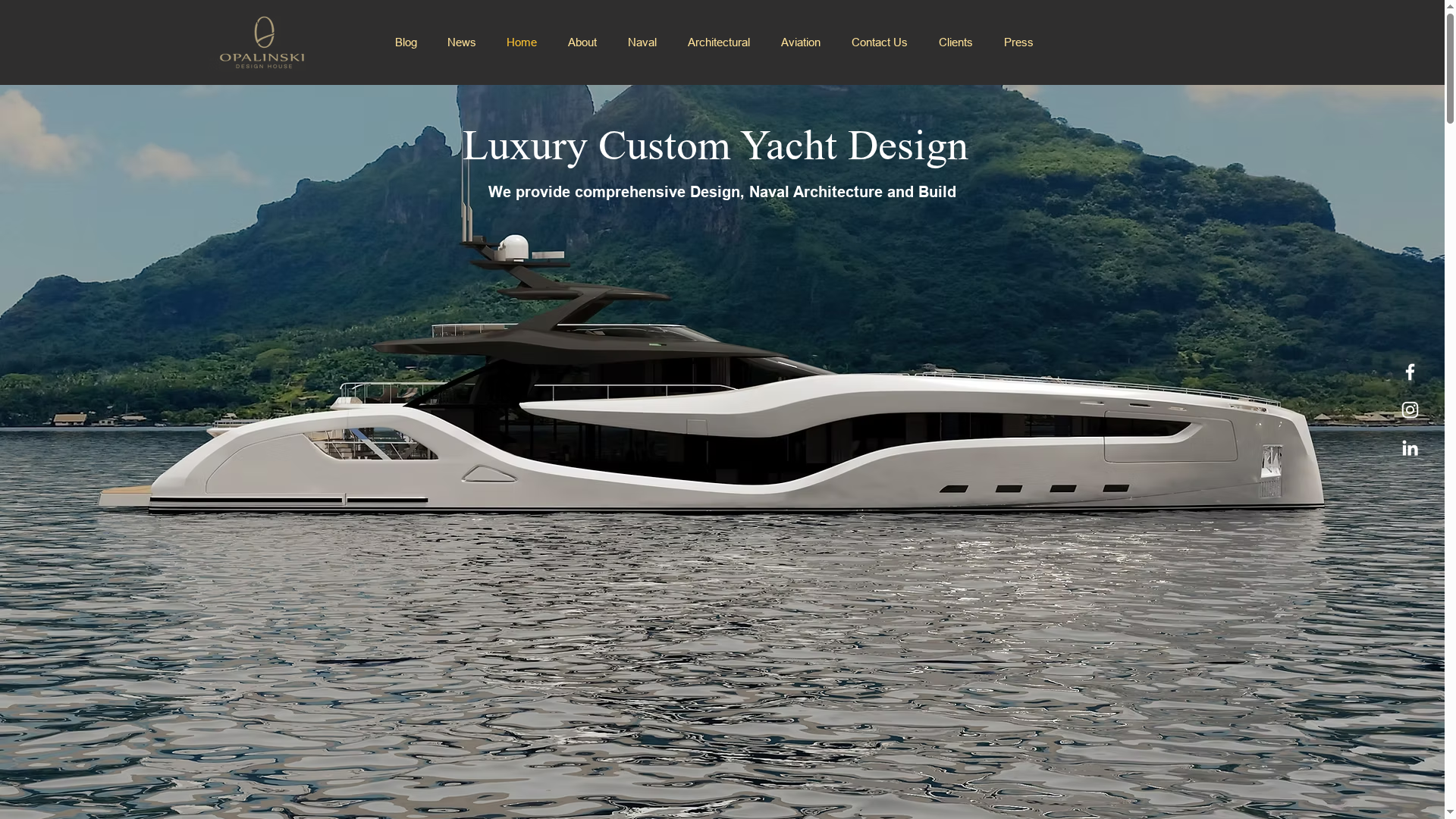
Discover how our pioneering innovations, such as our patented fold-down transoms and expert naval architecture approaches, can transform your yacht into an exceptional masterpiece tailored to your lifestyle. Act now to secure a partnership with a studio renowned for pushing luxury yacht design boundaries. Explore our portfolio and learn how we deliver sustainable, customized designs that stand the test of time at Opalinski Design House. To begin your journey toward a truly unique and efficient yacht, visit our landing page and connect with us for a personalized quote. Your ultimate yacht experience awaits.
Frequently Asked Questions
What are the main benefits of efficient hull design in naval architecture for yachts?
Efficient hull design minimizes resistance, leading to better fuel economy and extended cruising distances. By optimizing the shape and weight distribution of the hull, yacht owners can potentially reduce fuel consumption by approximately 30%, which translates to significant savings over time.
How do innovative features enhance onboard comfort on luxury yachts?
Innovative features, such as advanced stabilization systems and smart technology integrations, significantly enhance comfort during extended voyages. For example, advanced stabilizers can reduce roll by up to 80%, allowing for a more enjoyable and relaxing onboard experience.
Why is customization important when working with naval architects?
Customization allows yacht owners to design a vessel that caters to their specific lifestyle, preferences, and activities. By collaborating with a naval architect, one can ensure that essential aspects like cabin arrangements and technology integration effectively align with your unique needs.
What role do advanced safety systems play in yacht design?
Advanced safety systems provide multiple layers of protection against potential issues, ensuring passenger safety during voyages. Features like AI-assisted navigation and automated monitoring systems help detect problems early, allowing owners to avoid emergencies and cruise with peace of mind.
How do sustainable practices in naval architecture benefit yacht owners?
Sustainable practices, such as using renewable energy sources and eco-friendly materials, not only reduce environmental impact but also lower operating costs over time. For instance, solar-powered systems can minimize fuel use to almost zero when anchored, which is particularly advantageous for long-term cruising in sensitive areas.
What materials are best for boosting yacht performance?
Modern advanced materials, such as carbon fiber and high-strength steel alloys, greatly improve yacht performance by reducing weight while maintaining strength. Using these materials can lead to faster speeds and lower fuel consumption, translating to operational efficiency and cost savings throughout the yacht’s life.
Recommended
Comments