
7 Yacht Style Inspiration Ideas for Stunning Vessel Interiors
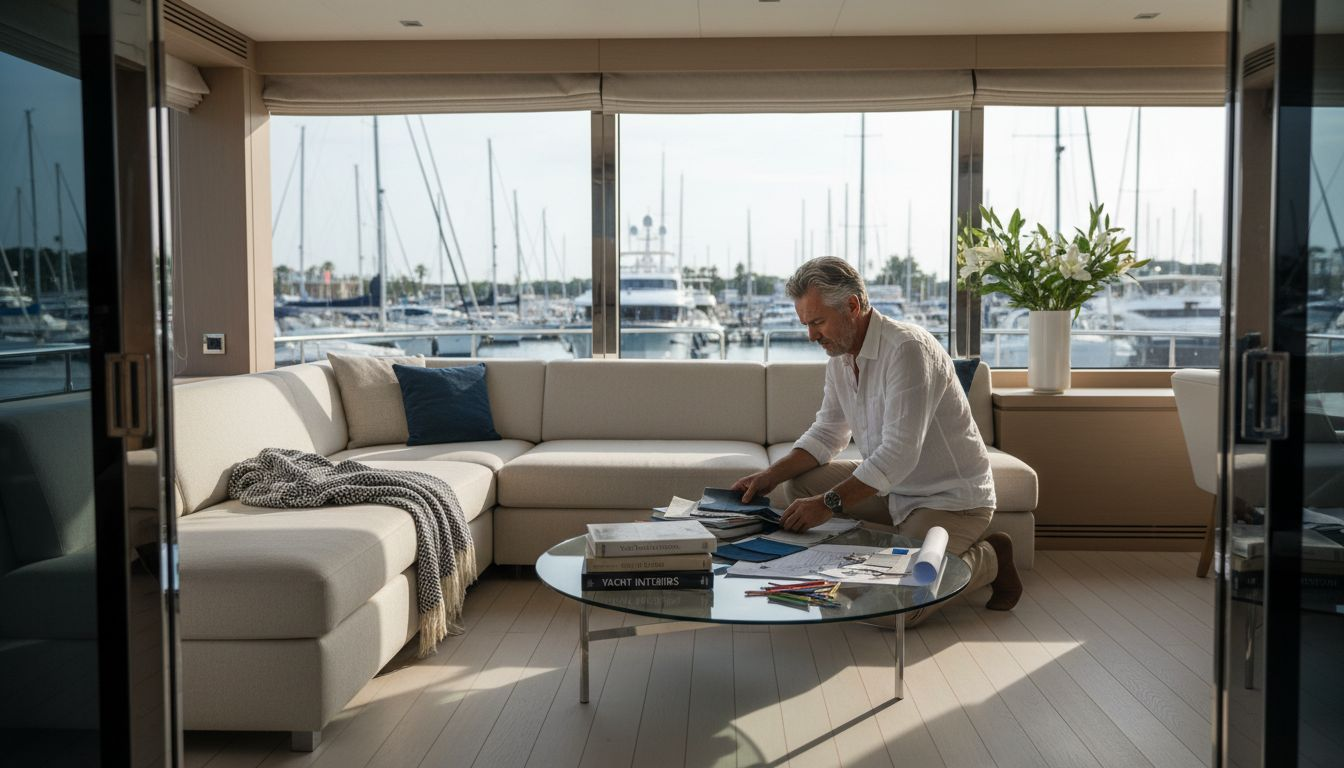
Designing a luxury yacht interior that truly feels your own can be challenging. Compartmentalized layouts, clunky technology, and limited natural light often stand in the way of creating a space that feels open, connected, and effortlessly sophisticated. As yacht design reaches new heights in 2025, you need approaches that blend comfort, innovation, and style to match your life on the water.
This list will show you how modern yacht interiors are breaking conventions with open concepts, smart systems, and seamless indoor-outdoor flow. You’ll discover actionable ways to harness invisible technology, maximize natural light, and personalize every detail for an environment that connects you with both luxury and the sea itself. Get ready for practical insights that will help you transform your yacht into a dynamic, welcoming retreat.
Table of Contents
Quick Summary
Takeaway | Explanation |
1. Embrace Open-Concept Design | Implementing open layouts enhances space and natural light, creating fluid, adaptable interiors that connect to the marine environment. |
2. Prioritize Sustainable Materials | Select luxury materials that are environmentally responsible, such as recycled ocean plastics and responsibly sourced woods, enhancing aesthetics while protecting marine ecosystems. |
3. Optimize Natural Light | Use strategic window placement and reflective surfaces to maximize natural light, contributing to psychological comfort and a visually expansive environment. |
4. Integrate Smart Technology | Employ invisible automation to create a seamless interaction with yacht systems, allowing for personalized adjustments without visible controls to clutter the space. |
5. Customize Furnishings for Individuality | Invest in bespoke furniture that reflects personal style, utilizing modular designs and material storytelling to create a distinct and comfortable yacht ambiance. |
1. Embrace Open-Concept Living Spaces
Modern yacht design is revolutionizing interior spaces by breaking down traditional barriers and creating fluid, interconnected environments. Open-plan yacht interiors are transforming how owners experience maritime living, blending indoor and outdoor areas into seamless, adaptable spaces.
Traditional yacht designs typically featured compartmentalized rooms that isolated occupants from their surrounding marine environment. Today’s innovative approach eliminates these restrictive boundaries, using expansive windows, sliding doors, and retractable superstructures to create an immersive experience that connects inhabitants directly with the ocean.
By embracing open-concept living, yacht designers achieve multiple strategic objectives. Spatial Freedom becomes paramount, with multi-functional areas that can quickly transform to suit different activities. A dining area might seamlessly transition into an entertainment space, or a living room can extend onto an outdoor deck with minimal architectural intervention.
Visual Connectivity plays a crucial role in this design philosophy. Panoramic windows and strategically placed glass elements blur the lines between interior and exterior, allowing natural light to flood the vessel and providing uninterrupted views of the surrounding seascape. This approach not only enhances aesthetic appeal but also creates a psychological connection with the marine environment.
Implementing an open-concept design requires careful planning. Designers must consider flow, functionality, and the specific needs of yacht owners. Furniture selection becomes critical, with modular, lightweight pieces that can be easily repositioned to create flexible living spaces.
Pro Tip: When designing an open-concept yacht interior, invest in high-quality, movable furniture with clean lines that can serve multiple purposes and enhance spatial flexibility.
2. Integrate Technological Innovations Seamlessly
Today’s luxury yacht interiors are transforming technological integration from an obtrusive necessity to an invisible, intelligent ecosystem. Smart system technologies are revolutionizing how owners interact with their maritime environments, creating spaces that respond intuitively to human needs.
The core philosophy behind modern yacht technology is invisible automation. Rather than cluttering spaces with visible control panels and electronic equipment, designers now embed sophisticated systems that operate seamlessly in the background. Intelligent environments dynamically adjust climate, lighting, entertainment, and security based on real time conditions and occupant preferences.
Advanced AI driven systems enable extraordinary levels of personalization. Imagine walking into a yacht where lighting automatically adjusts to your preferred ambiance, temperature self regulates for optimal comfort, and entertainment systems anticipate your mood. These technologies transform vessels from static living spaces into responsive, adaptive environments.
Key Technological Integration Strategies include:
Strategic Sensor Placement: Discreet sensors throughout the vessel monitor environmental conditions Intuitive Interface Design: Touchscreen and voice activated controls that blend into interior aesthetics Adaptive Learning Systems: Technologies that remember and predict owner preferences over time
Implementing these innovations requires careful planning with specialized marine technology experts who understand both technical capabilities and design elegance. Yacht owners should prioritize systems that enhance comfort without compromising visual simplicity.
Pro Tip: When integrating yacht technologies, focus on systems that can be easily updated and have minimal visual footprint to maintain design purity and future flexibility.
3. Optimize Natural Light with Smart Layouts
Creating luminous yacht interiors goes beyond aesthetic appeal transforming how occupants experience maritime spaces. Strategic spatial planning revolutionizes interior environments by maximizing natural light penetration and creating visually expansive living areas.
Natural light serves as a critical design element that dramatically influences psychological and physiological comfort. Yacht designers now approach light as a dynamic resource that can be strategically manipulated through architectural interventions. Architectural Light Mapping involves carefully positioning windows, skylights, and transparent surfaces to ensure comprehensive illumination throughout the vessel.
Key strategies for optimizing natural light include:
Window Placement Techniques • Install floor to ceiling windows in main living areas • Use frameless glass designs to minimize visual interruptions • Position windows to capture multiple light angles throughout the day
Surface Reflection Optimization • Select light toned materials and finishes • Incorporate reflective surfaces like polished metals and glass • Use neutral color palettes that amplify light distribution
Modern yacht layouts now prioritize open floor plans that allow light to travel unobstructed between interior spaces. By eliminating unnecessary walls and creating visual continuity, designers enable natural illumination to become a transformative design element.
Pro Tip: Consider implementing motorized window treatments that automatically adjust based on sunlight intensity to maintain perfect illumination while preventing glare and heat buildup.
4. Select Sustainable and Luxe Materials
Luxury yacht design now embraces a revolutionary approach that harmonizes environmental responsibility with uncompromising elegance. Sustainable luxury materials are transforming yacht interiors by offering sophisticated alternatives that protect our marine ecosystems while delivering exceptional aesthetic and functional performance.
The modern yacht interior demands materials that tell a story of innovation and environmental consciousness. Sustainable Luxury represents a paradigm shift where ecological considerations are no longer a compromise but a hallmark of true sophistication. Designers are sourcing materials that dramatically reduce environmental impact without sacrificing the premium feel discerning yacht owners expect.
Key Sustainable Material Categories:
Recycled Ocean Plastics • Transformed into high performance textiles • Durable fabrics with unique textures • Directly contributing to marine conservation
Responsibly Sourced Woods • Certified sustainable forestry materials • Exotic woods with verified ecological credentials • Unique grain patterns that showcase environmental commitment
Advanced Composite Materials • Non toxic alternatives to traditional marine materials • Enhanced durability and reduced environmental footprint • Engineered for superior performance and aesthetic refinement
Successful material selection requires a holistic approach that balances performance metrics technical specifications and environmental impact. Yacht owners must collaborate closely with designers who understand both luxury expectations and sustainable innovation.
Pro Tip: Prioritize materials with third party sustainability certifications and request detailed lifecycle assessments from suppliers to ensure genuine environmental credentials.
5. Personalize With Custom Furnishings
Yacht interiors represent the ultimate expression of personal style and individual identity. Custom furnishings crafted for unique spaces transform vessels from generic transport into deeply personal floating sanctuaries that reflect their owners complete lifestyle and aesthetic vision.
Bespoke furniture design transcends traditional manufacturing approaches by creating pieces that are not just functional but narratively meaningful. Personalization Principles focus on three critical dimensions: spatial optimization, individual expression, and adaptable functionality.
Key Custom Furnishing Strategies:
Modular Design Concepts • Furniture with reconfigurable components • Adaptable layouts that transform based on usage • Pieces that can be easily modified or repositioned
Material Storytelling • Incorporate owner’s personal history through material selection • Use rare or meaningful materials with specific provenance • Create furniture that represents individual journeys
Ergonomic Customization • Precise measurements tailored to specific users • Furniture that adapts to individual body mechanics • Comfort engineered for specific lifestyle requirements
Successful custom furnishing requires deep collaboration between yacht owners designers and master craftspeople. The goal is creating an environment that feels simultaneously luxurious intimate and perfectly attuned to individual needs.
Pro Tip: Work with designers who specialize in maritime custom furnishings and request 3D visualization mockups to understand how bespoke pieces will interact within your yacht’s unique spatial environment.
6. Create Indoor-Outdoor Flow Using Fold-Down Transoms
The modern yacht experience transcends traditional spatial boundaries by introducing revolutionary design elements that seamlessly connect interior and exterior environments. Hydraulic fold-down transoms represent a groundbreaking approach to yacht design that transforms how owners interact with marine spaces.
Architectural Fluidity becomes the cornerstone of contemporary yacht design. These innovative transoms eliminate the traditional barriers between indoor living spaces and external maritime environments, creating a unified experience that maximizes usability and aesthetic appeal.
Key Design Considerations:
Spatial Transformation • Hydraulic mechanisms enable instant deck expansion • Seamless transitions between interior and exterior zones • Maximized functional square footage
Water Access Optimization • Easy tender launches and water activity entry points • Direct interaction with surrounding marine environment • Enhanced recreational possibilities
Technical Integration Strategies • Precision engineering for smooth mechanical operation • Robust marine grade materials • Minimal maintenance requirements
Successful implementation requires collaboration between naval architects and owners who understand that modern yachting is about creating dynamic living environments that respond intuitively to changing recreational needs.
Pro Tip: Consult specialized marine engineers who can assess your specific vessel configuration and recommend transoms that align perfectly with your yacht’s structural integrity and design philosophy.
7. Add Signature Lighting for Ambience and Impact
Lighting has transformed from a mere functional necessity to a sophisticated design element that sculpts emotional experiences within yacht interiors. Advanced yacht lighting technologies now offer owners unprecedented control over spatial perception and mood creation.
Lighting as a Narrative Tool represents the cutting edge of maritime interior design. Modern illumination strategies go beyond simple visibility creating immersive environments that respond dynamically to human experience and natural rhythms.
Illumination Design Strategies:
Layered Lighting Approaches • Combine ambient indirect and focused task lighting • Create depth and dimensionality through strategic placements • Use concealed LED systems for soft gradient effects
Mood Transformation Techniques • Programmable color temperature ranges • Synchronization with circadian biological rhythms • Instant atmosphere adjustment for different activities
Technological Integration • Smart systems with intuitive mobile controls • Energy efficient LED technologies • Automated lighting sequences based on time and activity
Successful lighting design requires understanding how light interacts with materials textures and spatial geometries. Yacht owners should collaborate with designers who view illumination as a multisensory architectural element.
Pro Tip: Invest in lighting systems with granular control capabilities that allow precise adjustments across color temperature intensity and distribution to create truly personalized maritime environments.
Below is a comprehensive table summarizing the innovative yacht interior design strategies explored in the article.
Design Aspect | Description | Key Considerations |
Open-Concept Living Spaces | Eliminates barriers for seamless transitions between interior and exterior zones | Use panoramic windows and modular furniture for flexibility |
Technological Integration | Embeds smart systems for effortless automation and customization | Ensure invisible setup and adaptive learning systems for efficiency |
Natural Light Optimization | Ensures maximum illumination through strategic architectural planning | Place large windows and utilize reflective materials strategically |
Sustainable Materials | Combines luxury with environmentally responsible choices | Prioritize certified materials like recycled ocean plastics |
Custom Furnishings | Enhances personalization with tailored elements | Opt for modular designs and ergonomic customization for comfort |
Indoor-Outdoor Flow | Introduces fold-down transoms for fluid spatial expansions and outdoor access | Collaborate with engineers for structural integrity and usability |
Impactful Lighting Design | Utilizes illumination as a narrative tool for creating ambiance | Invest in programmable systems with LED technologies for depth |
Elevate Your Yacht Interiors with Innovative Design Solutions
Transforming yacht interiors to achieve open living spaces, seamless indoor-outdoor flow, and personalized luxury requires visionary expertise. If you are inspired by concepts such as fold-down transoms, sustainable materials, and custom furnishings as highlighted in the article “7 Yacht Style Inspiration Ideas for Stunning Vessel Interiors,” you understand the challenge of merging cutting-edge technology with elegant design that truly reflects your lifestyle.
At Opalinski Design House, we specialize in pioneering yacht design and naval architecture that bring these ambitions to life. Our patented fold-down bulkhead transom and rotational transom innovations redefine how your yacht adapts and interacts with its environment. Our expert team crafts bespoke interiors that embrace natural light, smart technology integration, and sustainable luxury materials, all tailored to your unique vision.
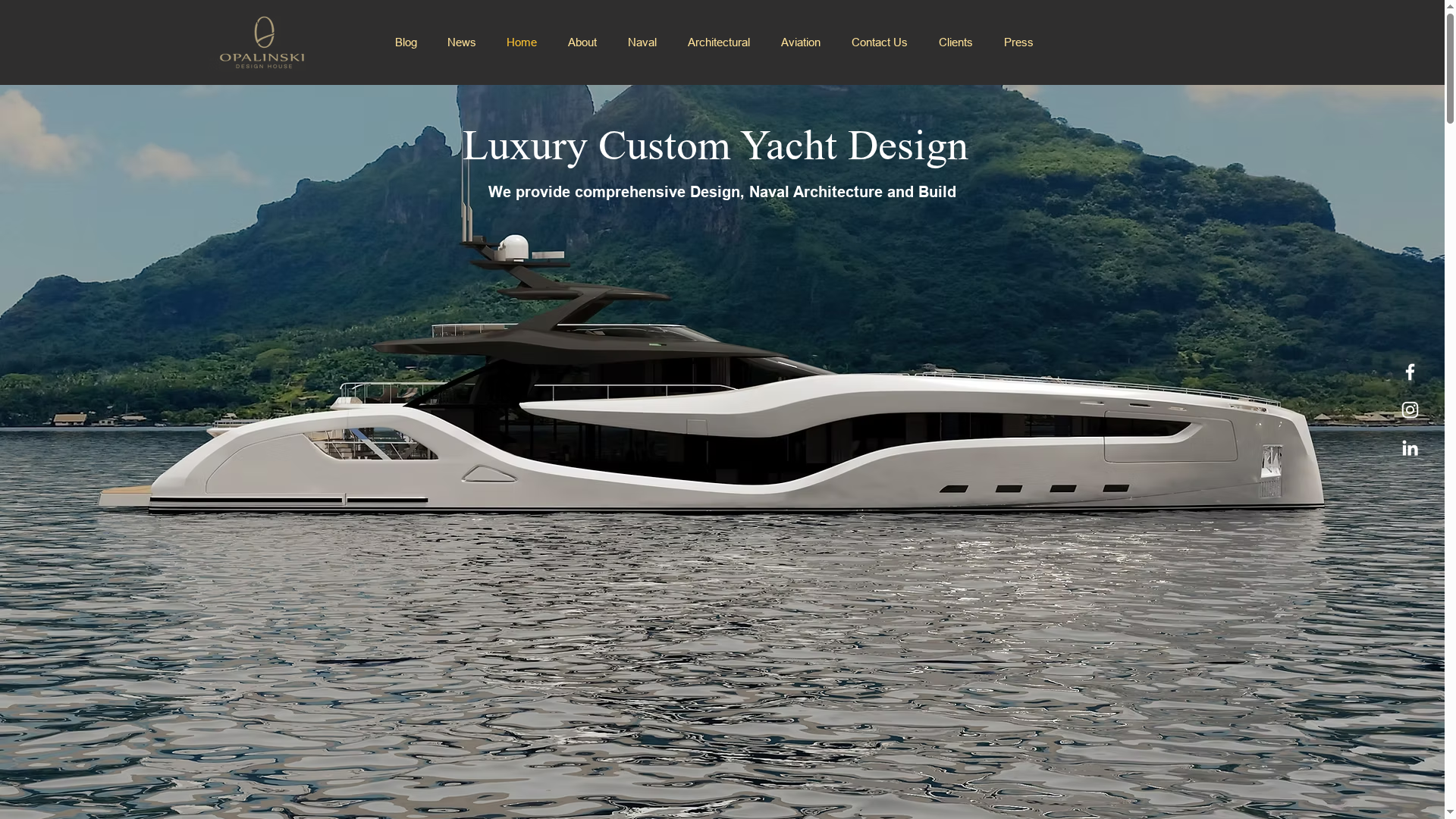
Explore how our creative approach and industry-leading innovations can elevate your vessel into a stunning sanctuary on the water. Visit Opalinski Design House today to start your journey toward a yacht that is as technologically advanced as it is beautifully crafted. The future of luxury yacht living awaits—contact us now for a personalized consultation and quote.
Frequently Asked Questions
What are some key benefits of open-concept living spaces on yachts?
Open-concept living spaces enhance spatial freedom and visual connectivity on yachts. To create an inviting atmosphere, consider designing multi-functional areas that can easily transition between dining, entertaining, and lounging.
How can I integrate technology seamlessly into my yacht’s interior design?
To integrate technology seamlessly, focus on invisible automation that enhances user experience without clutter. Work with marine technology experts to implement smart systems that adjust lighting, climate, and entertainment preferences according to your needs.
What strategies can I use to maximize natural light in yacht interiors?
To maximize natural light, employ architectural light mapping by strategically placing windows and skylights. Aim for open floor plans that facilitate unobstructed light flow, creating a bright and spacious environment for occupants.
What types of sustainable materials should I consider for yacht interiors?
Consider using recycled ocean plastics, responsibly sourced woods, and advanced composite materials that minimize environmental impact. Choose materials with verified ecological credentials to ensure your yacht’s interior is both luxurious and environmentally friendly.
How can I customize furnishings to reflect personal style and enhance yacht functionality?
To customize furnishings, explore modular design concepts that allow reconfiguration based on usage. Collaborate with designers to select materials and designs that narrate your story while adhering to ergonomic specifications for comfort.
What design considerations should I keep in mind for creating indoor-outdoor flow?
Focus on hydraulic fold-down transoms that eliminate barriers between indoor and outdoor spaces. Ensure your design maximizes usability and aesthetic appeal by enabling seamless transitions between the yacht’s interior and the surrounding marine environment.
Recommended
Comments