
Master the Yacht Design Innovation Process Step-by-Step
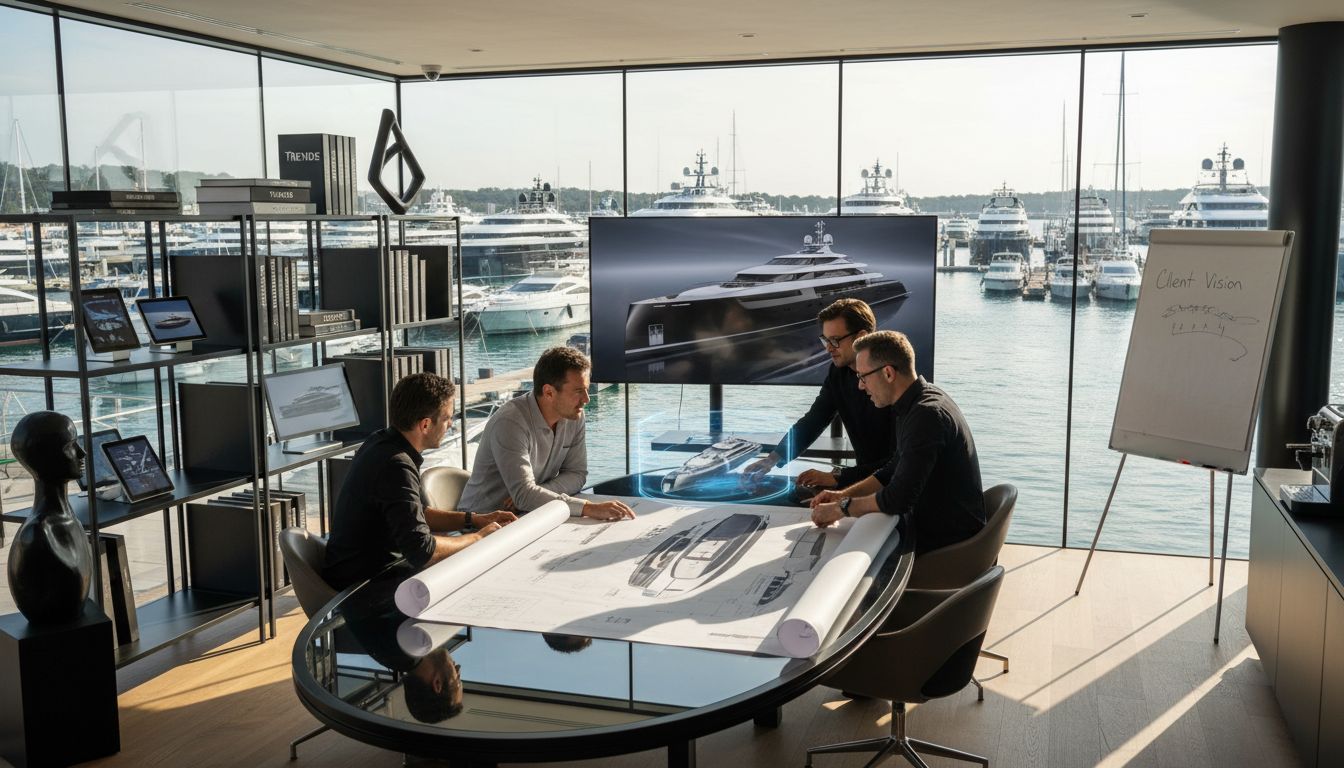
Nearly every american yacht owner dreams of a vessel that reflects their unique style and ambitions. Crafting such a one-of-a-kind yacht calls for a clear vision and careful planning from the very first conversation. The process blends technical expertise, creativity, and client-focused design. By understanding each step, from defining goals to final testing, you can ensure your yacht journey meets the highest standards and delivers true satisfaction.
Table of Contents
Quick Summary
Key Insight | Explanation |
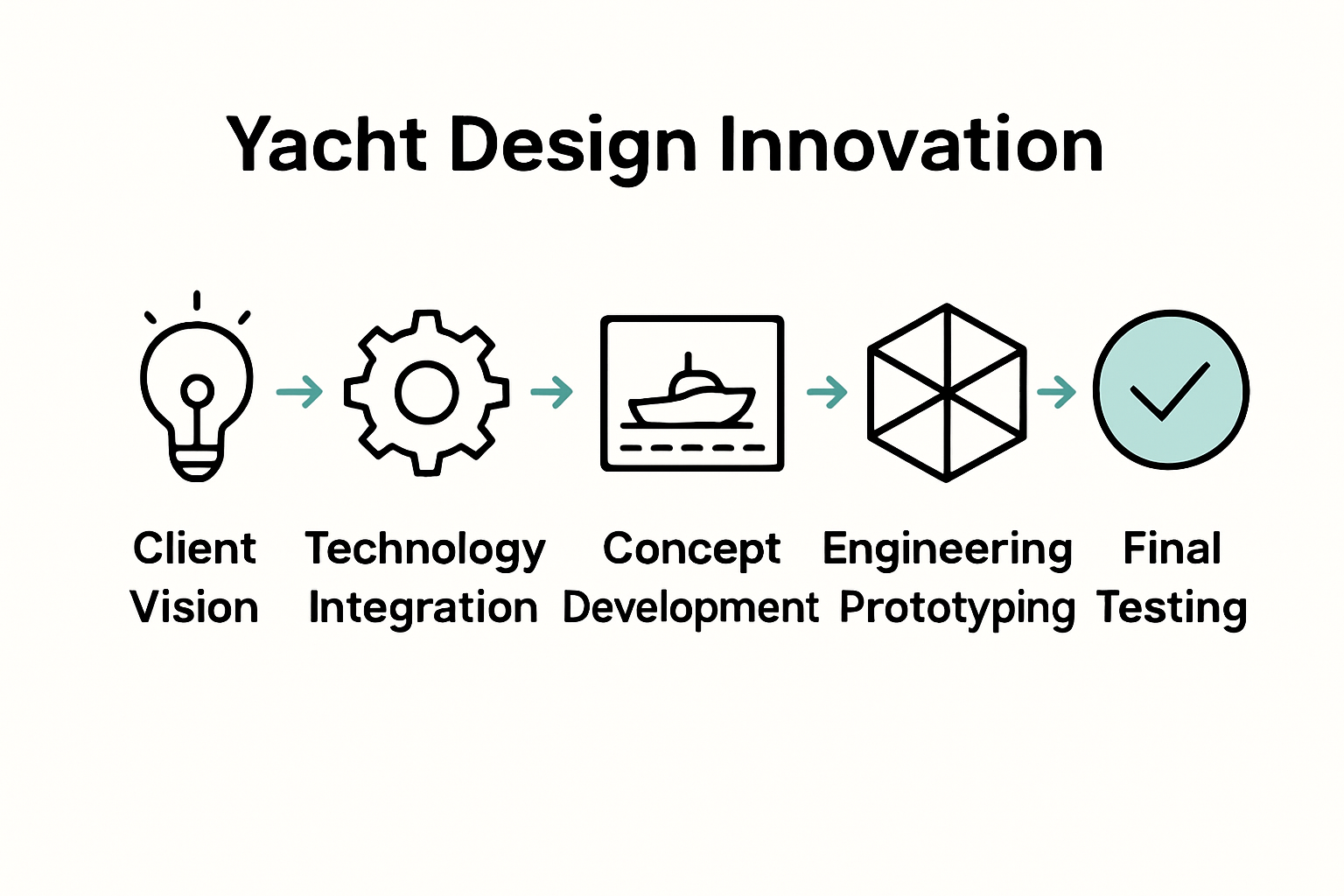
1. Define client vision thoroughly | Conduct in-depth consultations to capture the client’s lifestyle and preferences, transforming abstract ideas into a detailed design brief. |
2. Emphasize technological integration | Research and incorporate cutting-edge technologies to enhance yacht performance, increasing functionality and sustainability. |
3. Iterate design concepts collaboratively | Use multiple sketches and renderings during development, involving clients in the design process to assure satisfaction and alignment with their vision. |
4. Systematize engineering and prototyping | Create precise digital models and conduct simulations to validate design choices efficiently before physical prototyping. |
5. Implement rigorous testing protocols | Develop comprehensive validation frameworks that include all performance checks, ensuring quality control and client involvement during final stages. |
Step 1: Define client vision and requirements
Defining your client’s vision and requirements is the critical first phase in creating a bespoke yacht design that transforms their dreams into a tangible maritime masterpiece. This step involves deep conversation and strategic listening to understand the intricate details that will shape your entire design process.
Start by scheduling an extensive initial consultation where you’ll explore the client’s lifestyle, aesthetic preferences, and functional needs. Ask open ended questions that reveal not just surface level wants but underlying motivations. For instance, inquire about their typical boating activities whether it’s long distance cruising, entertainment hosting, or weekend coastal adventures. Inclusive yacht design research emphasizes understanding diverse user requirements beyond standard specifications.
Document every conversation detail systematically. Create a comprehensive client profile that includes preferred color palettes, performance expectations, onboard amenity requirements, passenger capacity, and specific technological integrations they desire. Sketch preliminary concept drawings during the meeting to validate understanding and encourage collaborative input. Your goal is transforming abstract client desires into a concrete design brief that serves as the foundational blueprint for the entire yacht creation process.
Pro tip: Always maintain flexibility and remember that initial client visions often evolve. Regular communication and collaborative iteration will be key to delivering a yacht that exceeds expectations.
Next, you’ll transition into conceptual design development where these carefully captured requirements will begin taking visual and technical shape.
Step 2: Integrate emerging technologies and trends
Integrating emerging technologies and trends is your gateway to transforming a traditional yacht design into a cutting edge maritime marvel that pushes the boundaries of innovation and performance. This crucial step will help you leverage the most advanced technological solutions to create vessels that are not just functional but truly extraordinary.
Computational fluid dynamics and artificial intelligence are revolutionizing yacht design by providing unprecedented insights into vessel performance and sustainability. Begin by researching the latest technological advancements in marine engineering such as advanced materials, smart navigation systems, and energy efficient propulsion technologies. Pay special attention to augmented reality systems that can enhance design visualization and technical precision during the development process.
Consider implementing emerging technologies across multiple design dimensions. This includes exploring lightweight carbon fiber composites for hull construction, integrating intelligent monitoring systems that provide real time vessel diagnostics, and incorporating sustainable energy solutions like hybrid electric propulsion. Your goal is to create a design that balances cutting edge technological innovation with practical marine engineering principles.
Pro tip: Stay adaptable and maintain a forward thinking mindset. Technology evolves rapidly so design your yacht with modular systems that can be upgraded as new innovations emerge.
Next, you will translate these technological insights into a comprehensive technical specification that will guide the detailed design phase.
Step 3: Develop and refine concept designs
Developing and refining concept designs transforms your initial client vision into tangible visual representations that capture the essence of their dream yacht. This pivotal stage bridges imagination and technical feasibility through strategic design exploration and iterative refinement.

Integrated design methodologies offer powerful approaches to concept development. Start by creating multiple preliminary sketches that explore different design interpretations based on the client requirements. Use digital rendering tools to quickly generate and modify design concepts allowing you to experiment with various hull shapes, deck configurations, and aesthetic treatments. Each iteration should progressively incorporate more technical details and precision while maintaining the core vision established during the initial client consultation.
Focus on developing comprehensive design concepts that balance aesthetic appeal with functional performance. Evaluate each concept against key criteria including hydrodynamic efficiency, onboard space utilization, structural integrity, and alignment with the client’s lifestyle needs. Create detailed 3D models that allow clients to virtually experience different design options making the selection process more interactive and engaging.
Pro tip: Maintain flexibility and view each design iteration as a collaborative dialogue. The most successful yacht designs emerge from continuous refinement and open communication with the client.
Next, you will prepare to present these refined concept designs to the client for final review and selection.
Step 4: Engineer and prototype innovative solutions
Engineering and prototyping innovative solutions is where your yacht design transforms from conceptual vision to technical reality. This critical stage demands precision, creativity, and a deep understanding of advanced marine engineering principles.
Intelligent optimization techniques are revolutionizing the way naval architects approach design challenges. Leverage advanced simulation tools to create detailed computational models that test and refine your yacht’s performance characteristics. Focus on developing prototypes that explore multiple design variables including hydrodynamic efficiency, structural integrity, and material performance. Use computer aided design software to generate precise 3D models that can be subjected to rigorous virtual stress testing and performance simulations.
Break down your prototyping process into systematic stages. Begin with digital simulations that allow you to experiment with different hull configurations, propulsion systems, and structural designs without substantial physical investment. Create scale models that can be tested in specialized marine engineering facilities to validate your computational predictions. Pay special attention to areas of potential innovation such as lightweight composite materials, energy efficient propulsion systems, and adaptive design features that enhance overall vessel performance.
Pro tip: Embrace an iterative approach. The most groundbreaking yacht designs emerge from continuous experimentation and willingness to challenge conventional engineering assumptions.
Next, you will synthesize these prototyping insights into a comprehensive technical specification that will guide final design implementation.
Step 5: Test, validate, and finalize the yacht build
Testing, validating, and finalizing the yacht build represents the critical culmination of your design journey where theoretical concepts transform into a tangible maritime masterpiece. This stage demands meticulous attention to detail and comprehensive verification across multiple performance dimensions.
Advanced augmented reality systems have revolutionized how naval architects and shipbuilders conduct precise component testing and validation. Implement a comprehensive testing protocol that encompasses structural integrity assessments, hydrodynamic performance evaluations, and systems functionality checks. Utilize sophisticated diagnostic tools to simulate real world maritime conditions and stress scenarios. This includes comprehensive sea trials that test the vessel under various environmental conditions evaluating everything from propulsion efficiency to onboard system reliability.
Develop a systematic validation framework that includes both computational modeling and physical testing. Conduct detailed inspections of each critical system including navigation equipment, propulsion mechanisms, electrical systems, and structural components. Pay special attention to areas that directly impact safety, performance, and client satisfaction. Create comprehensive documentation that tracks every test result, modification, and validation milestone ensuring complete transparency and quality assurance throughout the final build phase.
Pro tip: Maintain open communication with the client during final validation stages. Involving them in key testing milestones can transform the build process from a technical exercise into a collaborative experience.
Next, you will prepare for the final client presentation and vessel delivery.
Elevate Your Yacht Design Journey with Proven Innovation and Expertise
Mastering the yacht design innovation process requires more than just creativity. It demands a partner who understands the critical steps of defining your vision, integrating emerging technologies, and engineering groundbreaking solutions. If you seek a design studio that turns complex challenges like advanced prototyping and sustainable propulsion into elegant realities, discover how Opalinski Design House has led the industry with patented innovations such as fold-down transoms and modular design features.
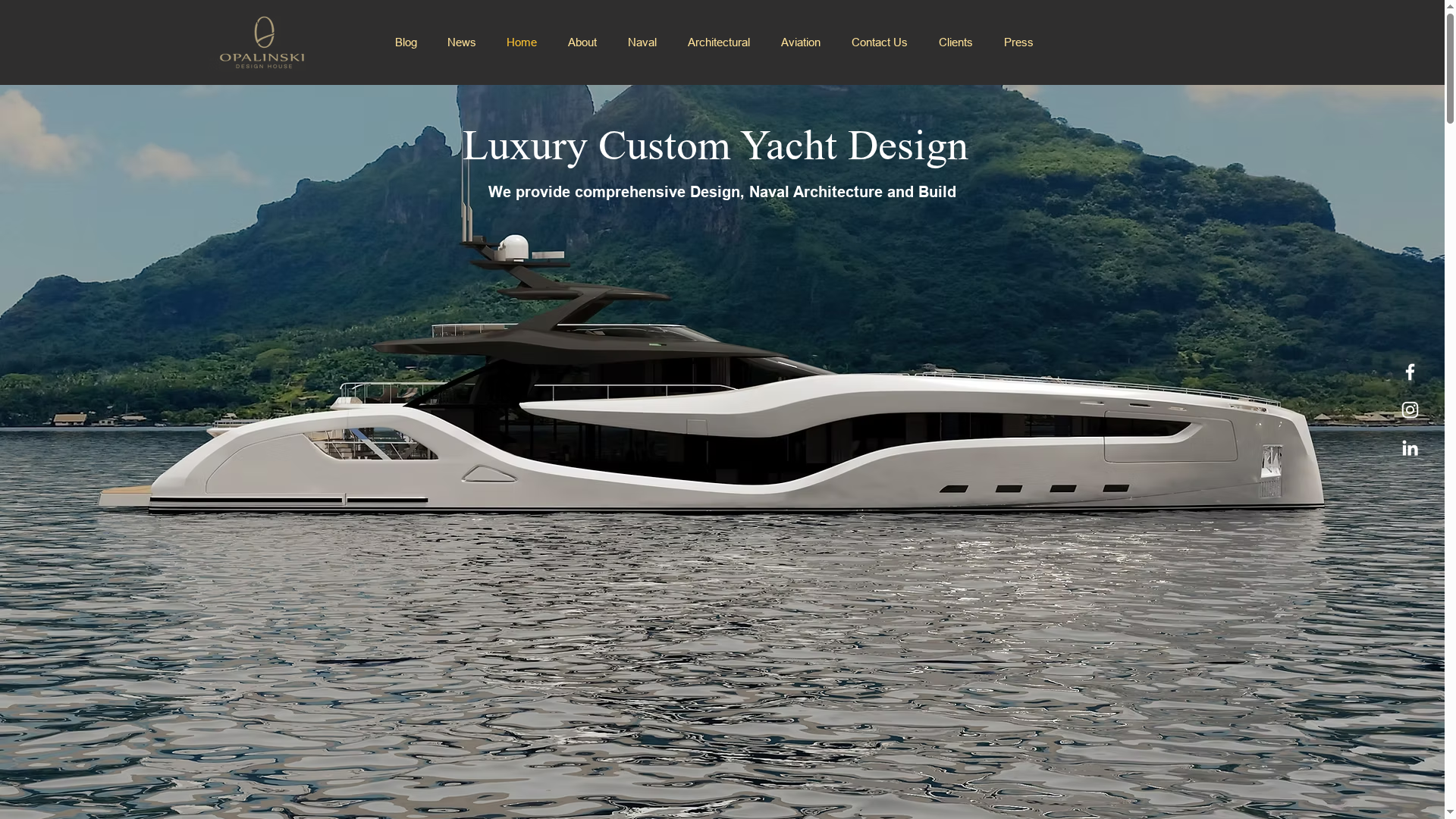
Experience bespoke yacht design and naval architecture services that bring your dream vessel to life. Visit Opalinski Design House to explore our portfolio of industry-changing technologies and personalized design approach. Act now and transform your vision into an extraordinary maritime masterpiece crafted by true innovators. Start your luxury yacht journey by contacting us for a tailored quote today.
Frequently Asked Questions
How do I start the yacht design innovation process?
To start the yacht design innovation process, define your client’s vision and requirements. Schedule an initial consultation to discuss their lifestyle, aesthetic preferences, and specific needs. Document everything thoroughly to create a comprehensive client profile.
What technologies should I consider integrating into yacht design?
Consider integrating emerging technologies like intelligent monitoring systems, advanced materials, and energy-efficient propulsion technologies. Research these advancements to incorporate cutting-edge innovations that enhance performance and sustainability.
How can I refine concept designs effectively?
To refine concept designs effectively, create multiple preliminary sketches and utilize digital rendering tools. Engage in iterative design exploration, progressively incorporating detail and functionality while maintaining open communication with the client.
What steps are involved in engineering and prototyping yacht designs?
Engineering and prototyping yacht designs involves using simulation tools to create detailed computational models and conducting physical tests. Break this process into stages, starting with digital simulations, then progressing to scale models for real-world testing.
How do I ensure the yacht build meets quality and performance standards?
Ensure the yacht build meets quality and performance standards by implementing a comprehensive testing protocol that includes structural assessments and sea trials. Develop a systematic validation framework that tracks every test result to maintain transparency and quality assurance.
What should I do during the final client presentation?
During the final client presentation, prepare to showcase the completed yacht and review the testing outcomes. Engage the client by sharing insights from key testing milestones to foster collaboration and excitement around the final delivery.
Recommended
Comments